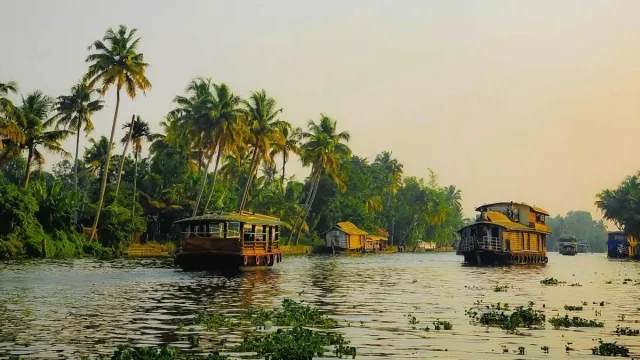
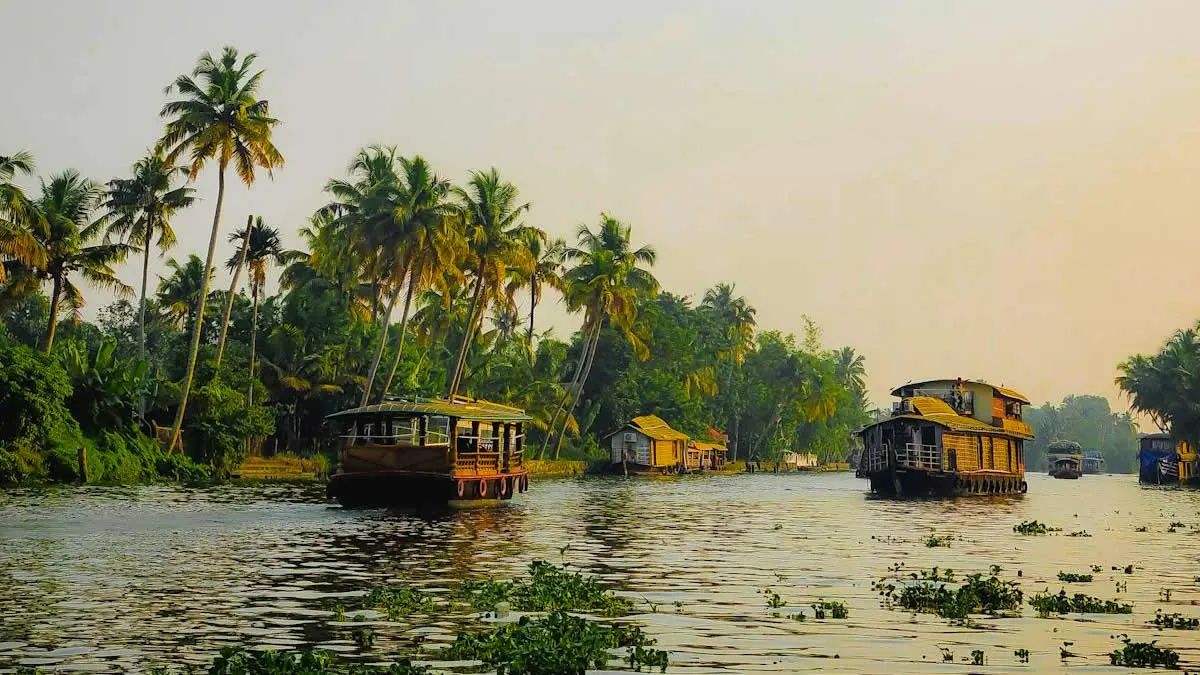
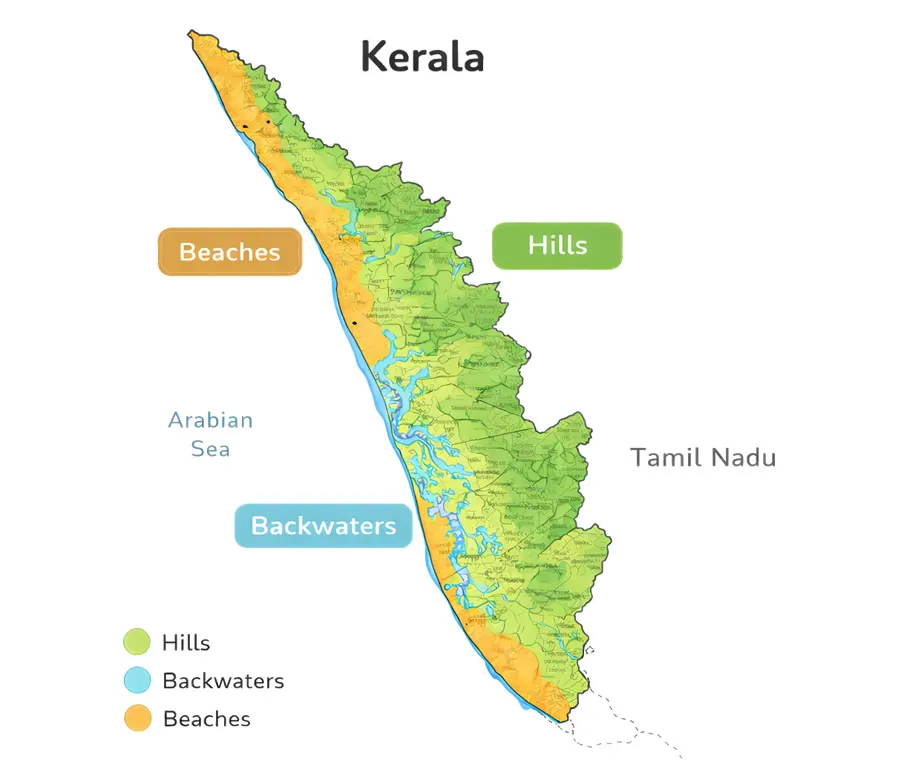
Welcome to Kerala, a slender strip of land along India’s southwestern coast that manages to pack extraordinary diversity into a relatively small area. Here, palm-fringed beaches meet serene backwaters, mist-covered hills rise above tea plantations, dense forests shelter wildlife, and centuries-old traditions continue to shape daily life. You’ll find palm-fringed beaches meeting the Arabian Sea, tranquil backwaters threading through village life, mist-covered hill stations carpeted in tea, and forests alive with wildlife.
Whether you’re dreaming of drifting along backwaters, trekking in misty hills, or unwinding on fringed beaches, this guide gives you the best of Kerala, season by season.
You can cruise backwaters on a traditional houseboat, trek through high-altitude grasslands, watch classical dance performances that date back hundreds of years, receive authentic Ayurvedic treatments, and eat some of the finest seafood in India all within a few days’ travel.
Why Kerala Keeps Travellers Coming Back
What makes Kerala special goes beyond scenery. The state has a literacy rate above 96%, clean towns, quality healthcare, and a culture that values art, spirituality, and good food. Whether you’re watching a Kathakali performance in Kochi, floating past paddy fields on a houseboat, or sipping tea at a Munnar plantation, you’ll notice something different here.
Domestic travellers love Kerala for weekend getaways and honeymoons. International visitors appreciate the ease of travel, English proficiency, and the chance to experience authentic Indian culture without the chaos of bigger cities. The food is a draw too: coconut-rich curries, fresh seafood, banana-leaf meals called sadya, and the best filter coffee you’ll taste.
Best Time to Visit Kerala (Season-by-Season Guide)
Kerala’s tropical climate means you can visit year-round, but the experience changes with seasons. Your ideal time depends on what you want to do and how you handle rain or heat.
Dry Season: October to March
This is peak tourist season for good reason. Temperatures hover between 22°C and 32°C (72°F to 90°F), comfortable for most activities. Humidity drops, skies stay clear, and you can plan outdoor activities without worrying about sudden downpours.
October and November are particularly lovely. The land stays green from recent monsoons, waterfalls still flow well, and festival season brings colour to towns and villages. Onam (August or September) and Vishu (April) are major celebrations, but smaller temple festivals happen throughout these months.
December to February is cooler, especially pleasant in hill stations where mornings can be quite crisp. Beach weather is perfect. This is prime time for wildlife spotting too, as animals come to waterholes and visibility improves in forests.
The downside? Everyone knows this is the best time. Popular spots like Alleppey houseboats and Munnar resorts get booked weeks ahead. Prices peak, particularly around Christmas and New Year. If you’re flexible, late January through March offers better deals with similar weather.
Monsoon Season: June to September
Kerala transforms during monsoon. The Western Ghats trap moisture-heavy clouds from the Arabian Sea, bringing heavy rainfall that turns the landscape impossibly green. Waterfalls thunder down hillsides, rivers swell, and the air smells of wet earth and vegetation.
For wellness travelers, the monsoon season offers a lush green landscape and a perfect opportunity for Ayurvedic retreats.
This isn’t typical sightseeing season, but it has dedicated fans. Ayurvedic practitioners say monsoon is the ideal time for treatments because the humidity helps your body absorb herbal oils and medicines better. Many wellness resorts offer special monsoon packages at reduced rates.
The backwaters look their best, less crowded and more peaceful. Photography enthusiasts love the dramatic skies and lush scenery. Budget travellers appreciate accommodation discounts of 30-40% compared to peak season.
Be realistic about limitations though. Heavy rains can disrupt plans. Some trekking routes close. Beach activities are limited. Roads in hilly areas occasionally face landslides. Pack accordingly: quick-dry clothes, waterproof bags, sturdy sandals. Build flexibility into your itinerary.
Summer: April to May
Summer in Kerala means temperatures climbing to 35-38°C (95-100°F) in coastal and lowland areas. It’s warm and humid, though not unbearable if you’re used to tropical heat.
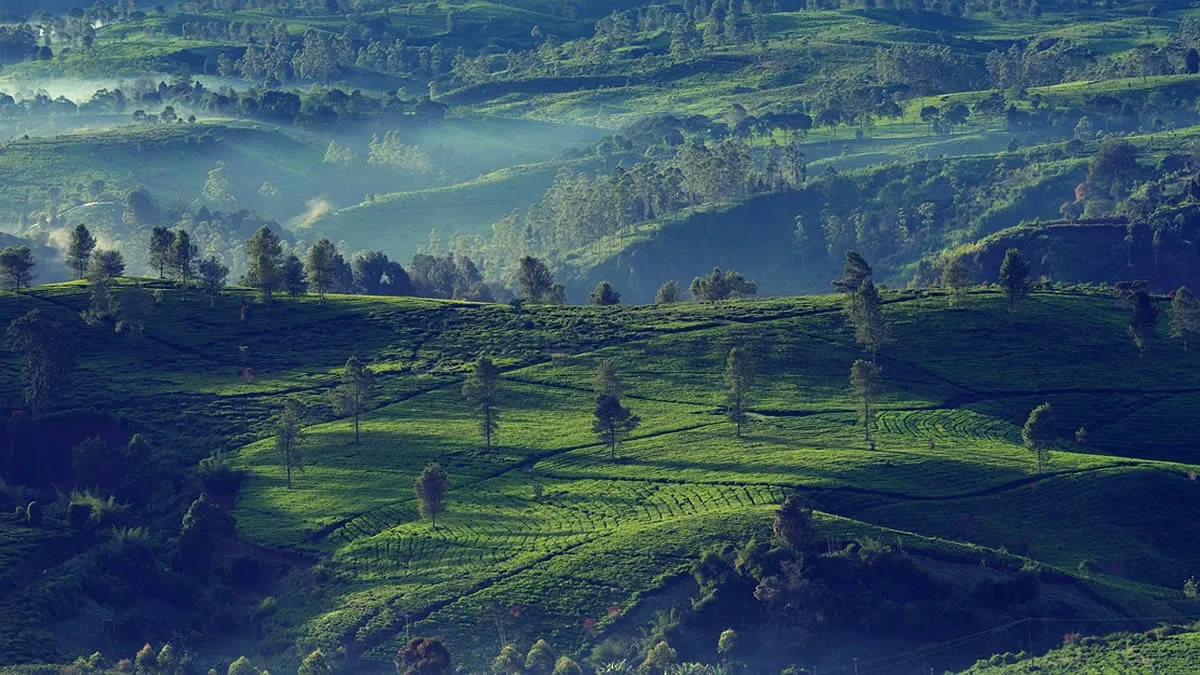
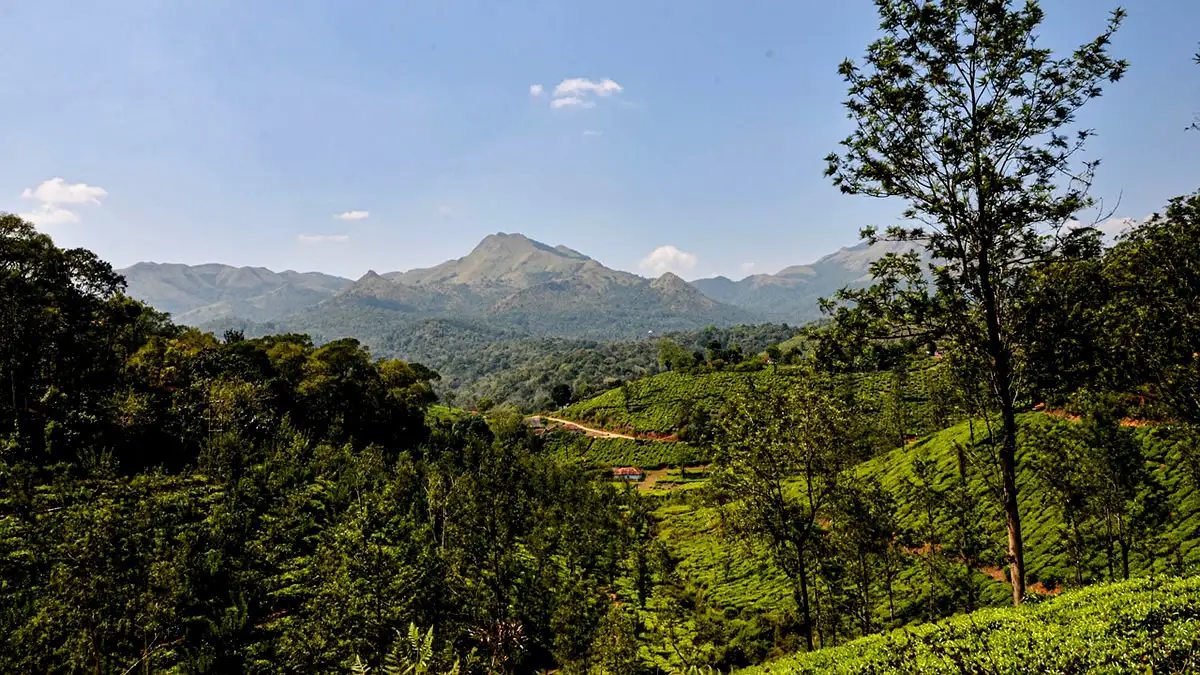
Hill stations become refuges during these months. Munnar, Wayanad, Vagamon, and Thekkady stay pleasantly cool, with temperatures around 20-25°C (68-77°F). Tea estates look beautiful, trekking weather is good, and you’ll have trails largely to yourself.
Coastal areas get hot, but early mornings and evenings remain comfortable for beach walks. This is off-season, so hotels drop prices and you won’t face crowds. If heat doesn’t bother you, summer offers good value. Just stay hydrated, use sun protection, and plan activities for cooler parts of the day.
Kerala’s Major Regions & What Each Offers
From Munnar’s tea-clad slopes and Vembanad Lake’s tranquil houseboat cruises to the red cliffs of Varkala Beach and Kerala’s rich spice-culture, we cover the iconic and the offbeat.
Kerala divides naturally into distinct regions, each with its own character. Most travellers focus on the central and southern parts, but the north has plenty to offer too.
Kerala Backwaters: Alleppey, Kumarakom & Kollam
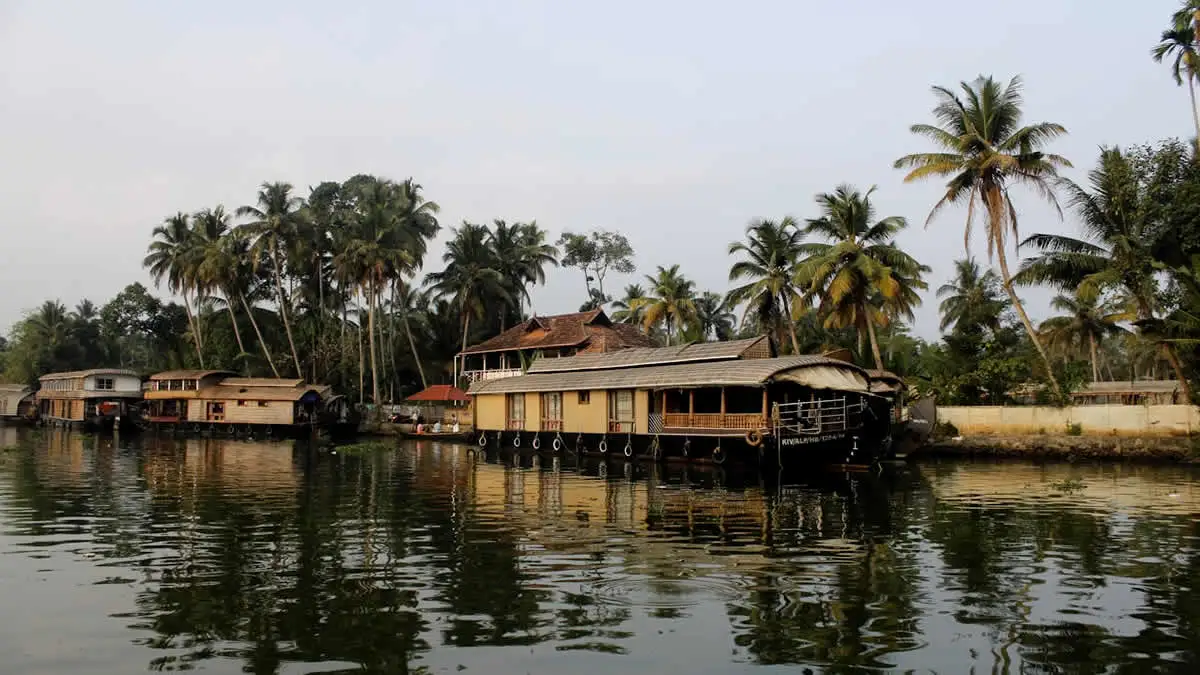
Kerala’s backwater network covers over 900km (560 miles) of interconnected canals, rivers, and lakes. Vembanad Lake forms the heart of this system, with villages scattered along its shores where life moves to the rhythm of fishing boats and country canoes.
- Alleppey (Alappuzha) is backwater central. This is where most houseboat cruises start, with hundreds of kettuvallams (traditional rice boats converted to floating hotels) moored along the canals. The town itself doesn’t have much to hold you, but the waterways around it are magical. You’ll drift past Chinese fishing nets, toddy shops, small temples, children waving from canal-side homes, and farmers tending narrow strips of land.
- Kumarakom offers a quieter backwater experience. Set on Vembanad Lake’s eastern shore, it’s known for the bird sanctuary where migratory species stop from November to March. The pace here is slower than Alleppey, with fewer houseboats and more boutique resorts tucked into lakeside properties.
- Kollam marks the southern end of the backwater network. The eight-hour journey from Kollam to Alleppey by public ferry ranks among India’s best budget travel experiences. You’ll see village life up close, with the boat stopping at small jetties where people board with shopping bags, school kids, even bicycles.
Beyond houseboats, consider canoe tours through narrower canals. These village tourism initiatives take you places big boats can’t go, paddling through palm groves where the only sounds are birds and water lapping against the canoe.
Hill Stations in Kerala: Munnar, Wayanad & Vagamon
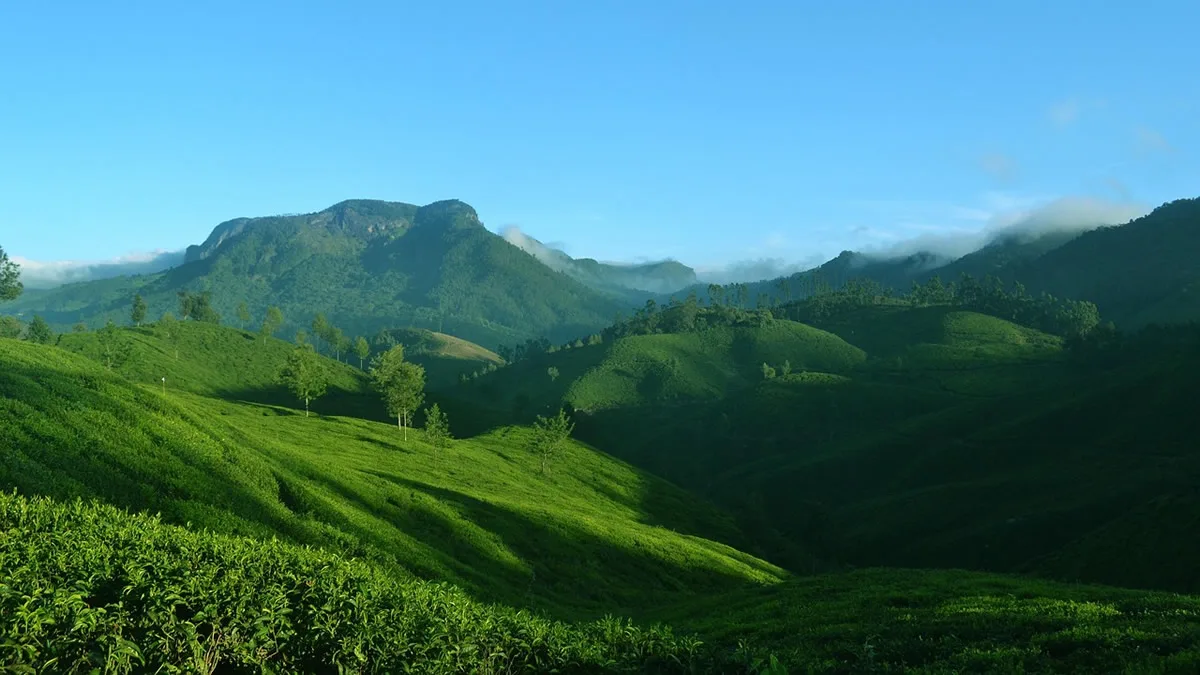
The Western Ghats rise sharply from Kerala’s coastal plains, creating a chain of hill stations with cool climates and mountain scenery. These aren’t the dramatic Himalayan heights, but the greenery and mist have their own appeal.
- Munnar sits at about 1,600m (5,250 feet), surrounded by tea estates that carpet every hillside in shades of green. The drive up through hairpin bends reveals layer after layer of plantations, with workers visible as tiny figures among the bushes. Munnar town itself is fairly ordinary, but venture to viewpoints like Top Station or explore Eravikulam National Park, home to the endangered Nilgiri tahr, and you’ll see why people come. The area has good trekking, from easy walks through tea estates to more challenging climbs up Anamudi, South India’s highest peak at 2,695m (8,842 feet). Tea factory visits are popular; watching the process from fresh leaf to packaged tea is surprisingly interesting, plus you can buy quality tea at source prices.
- Wayanad in northern Kerala offers a wilder hill experience. Less developed than Munnar, it has forests, waterfalls, tribal villages, and wildlife sanctuaries. The landscape is more varied too: rice paddies in valleys, coffee and spice plantations on slopes, dense forest in protected areas. Edakkal Caves, with Stone Age petroglyphs, make a fascinating half-day trip.
- Vagamon remains relatively undiscovered. Rolling meadows, pine forests, and quiet country roads give it an almost un-Kerala-like feel. It’s perfect if you want to escape crowds and just enjoy cool weather and simple walks. Facilities are basic compared to Munnar, but that’s part of the charm.
Best Beaches in Kerala: Varkala, Kovalam & Marari
Kerala’s coastline stretches 590km (367 miles), lined with coconut palms and fishing villages. The beaches aren’t the white-sand, crystal-water type you find in the Maldives, but they have character and beautiful sunsets.
- Kovalam, near Trivandrum, is Kerala’s oldest beach resort. Three crescent bays divided by rocky headlands create distinct areas. Lighthouse Beach (named for the candy-striped lighthouse you can climb) is most developed, with restaurants, shops, and Ayurvedic centres behind the sand. It gets crowded, especially in season, but the setting is lovely. Swimming is generally safe in marked areas, though watch for currents.
- Varkala has a different vibe. The beach runs below 15m (50 feet) red laterite cliffs, creating a natural promenade. Cafes, guesthouses, and shops line the clifftop, offering sunset views across the Arabian Sea. The beach is a pilgrimage site too; Janardanaswamy Temple brings Hindu pilgrims who perform rituals in the sea. This mix of backpackers, pilgrims, and domestic tourists gives Varkala more edge than Kovalam.
- Marari Beach is for those wanting quiet. A simple fishing village with a beautiful stretch of sand, it has a handful of resorts and little else. You’ll see fishermen heading out before dawn, mending nets in the afternoon, and local kids playing cricket on the beach. It’s wonderfully peaceful.
- Bekal in northern Kerala is developing as a beach destination. The main draw is Bekal Fort, a 300-year-old seaside fortress that’s one of Kerala’s most photogenic monuments. The beach itself is long and unspoiled, though strong currents make swimming risky in places.
Wildlife & Nature Reserves
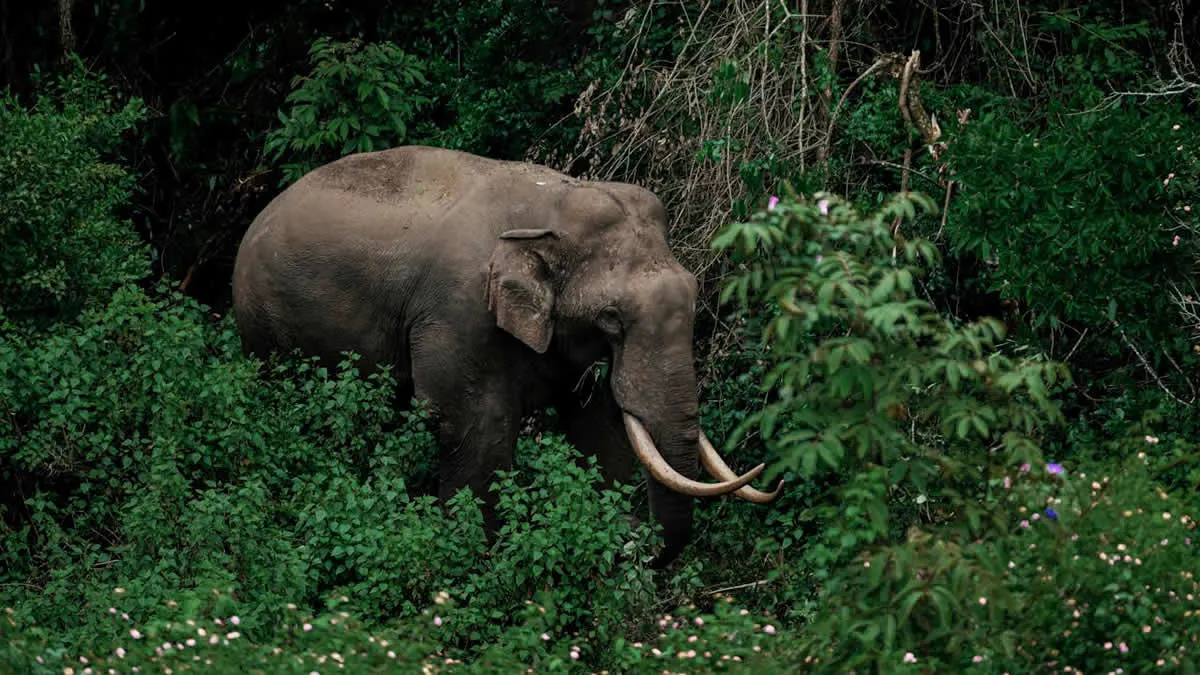
Kerala’s forests harbour elephants, tigers, leopards, gaur (Indian bison), and over 500 bird species. Several well-managed reserves let you experience this biodiversity.
- Periyar Tiger Reserve surrounds an artificial lake in the Western Ghats. While tiger sightings are rare (as everywhere in India), you’ll almost certainly see elephants, often in large herds coming to drink. Boat safaris on Periyar Lake offer the best viewing. Early morning trips work better, as animals are more active before heat sets in.
- The reserve has excellent guided programmes run by former poachers turned conservationists. These border treks take small groups deep into the forest, camping overnight and tracking wildlife. It’s more authentic than standard safaris and directly supports conservation work.
- Wayanad Wildlife Sanctuary connects to protected areas in neighbouring Karnataka and Tamil Nadu, creating a large habitat corridor. Jeep safaris here have good chances of spotting deer, elephants, and if you’re very lucky, tigers or leopards. The sanctuary also protects several endemic plant species.
- Silent Valley National Park is for serious nature lovers. This pristine tropical evergreen forest has never been logged, containing species found nowhere else. Access is controlled and requires advance permission, but if you get there, you’ll see one of India’s most untouched ecosystems.
Culture & Heritage

Kerala’s cultural traditions run deep, shaped by centuries of trade, multiple religions coexisting, and strong support for arts and education.
- Kochi (Cochin) beautifully illustrates this layered history. Fort Kochi’s streets mix Portuguese, Dutch, and British colonial architecture. You’ll see the oldest synagogue in the Commonwealth, a 16th-century church where Vasco da Gama was buried, and the iconic Chinese fishing nets that have worked the harbour for 500 years. The city is Kerala’s arts hub. Kathakali performances (elaborate dance-drama with incredible makeup and costumes) happen nightly at cultural centres. The Kochi-Muziris Biennale, India’s major contemporary art festival, runs December to April in odd-numbered years, transforming old warehouses and buildings into galleries.
- Thrissur is Kerala’s cultural capital. The city hosts Thrissur Pooram, arguably India’s most spectacular temple festival. Held in April or May, it features a display of decorated elephants (sometimes over 50), traditional percussion ensembles with hundreds of drummers, and fireworks that last till dawn. Even outside festival time, Thrissur has important temples and is known for classical arts.
- Thiruvananthapuram (Trivandrum) serves as the state capital. Padmanabhaswamy Temple, with its Dravidian architecture and recent discovery of vast treasure in underground vaults, is a major draw (though only Hindus can enter). The city also has good museums, including the Napier Museum with its unique architectural style and excellent collection of bronzes and traditional art.
Kerala Itineraries: 3, 7 & 10 Days
These itineraries provide frameworks you can adjust based on interests and travel pace. Distances in Kerala are manageable, but winding roads through hills mean journey times can surprise you.
3-Day Itinerary: Quick Kerala Taste
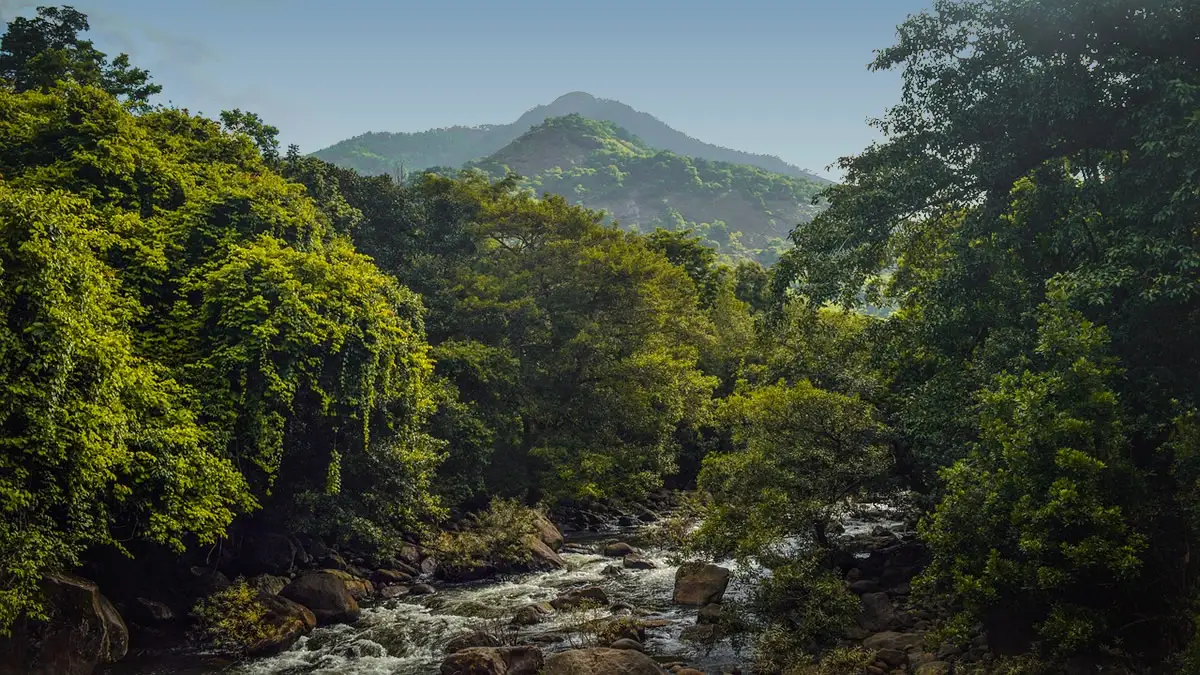
With limited time, focus on one or two experiences rather than rushing everywhere.
1: Culture & Hills
- Day 1: Arrive Kochi, explore Fort Kochi (Chinese fishing nets, colonial buildings, spice markets), evening Kathakali show
- Day 2: Drive to Munnar (130km/81 miles, 4 hours), stop at waterfalls en route, afternoon tea estate walk
- Day 3: Morning visit to Eravikulam National Park or Tea Museum, return to Kochi for departure
2: Backwaters & Beach
- Day 1: Arrive Kochi, transfer to Alleppey (53km/33 miles, 1.5 hours), board houseboat for overnight cruise
- Day 2: Disembark morning, drive to Marari Beach (15km/9 miles, 30 minutes), relax by the sea
- Day 3: Beach morning, return to Kochi (65km/40 miles, 2 hours) for departure
3: Wayanad Highlights
- Day 1: Arrive Calicut, drive to Wayanad (90km/56 miles, 2.5 hours), visit Edakkal Caves
- Day 2: Wildlife safari in Wayanad Sanctuary, visit spice plantation, Soochipara Waterfalls
- Day 3: Morning at leisure, return to Calicut for departure
7-Day Itinerary: Balanced Kerala Experience
A week lets you combine Kerala’s highlights without rushing. This classic route works well for first-time visitors.
Day 1: Arrive Kochi Spend the afternoon and evening in Fort Kochi. Walk around the colonial quarter, watch fishing nets in operation, and catch a Kathakali performance. Stay overnight in Fort Kochi rather than mainland Ernakulam for atmosphere.
Day 2: Kochi to Munnar Drive to Munnar (130km/81 miles, 4 hours), stopping at Cheeyappara and Valara waterfalls on the way. Afternoon free to acclimatise to the cooler weather. Consider a walk through nearby tea estates.
Day 3: Munnar Full day exploring. Morning visit to Eravikulam National Park (book online in advance) to see Nilgiri tahr. Afternoon options include Tea Museum, Top Station viewpoint (32km/20 miles from town), or a longer trek if you’re energetic.
Day 4: Munnar to Thekkady Drive to Thekkady/Periyar (90km/56 miles, 3 hours). Afternoon boat safari on Periyar Lake. If interested, book one of the guided nature programmes for next morning.
Day 5: Thekkady to Alleppey Morning at Periyar (spice plantation tour or nature walk), then drive to Alleppey (140km/87 miles, 4 hours). Board houseboat around 1pm for overnight backwater cruise.
Day 6: Alleppey to Fort Kochi Disembark houseboat around 9am. Drive back to Fort Kochi (53km/33 miles, 1.5 hours). Afternoon for shopping, visiting galleries, or relaxing. This is also a good day to experience a traditional Kerala sadya (feast meal served on banana leaf).
Day 7: Departure from Kochi Morning at leisure before airport transfer.
Alternative North Kerala Circuit: For something different, explore Kerala’s less-visited northern districts.
- Days 1-2: Wayanad (wildlife, caves, plantations, waterfalls)
- Day 3: Drive to Bekal (140km/87 miles, 3.5 hours), visit Bekal Fort, beach time
- Day 4: Kannur (70km/43 miles from Bekal), watch Theyyam ritual performance (seasonal, October-May), explore fort and beaches
- Days 5-6: Kozhikode/Calicut (92km/57 miles from Kannur), explore historic trading port, beaches, backwaters at Kapppad
- Day 7: Departure from Calicut airport
10-Day Itinerary: In-Depth Kerala
Ten days lets you move at a relaxed pace and add activities like Ayurvedic treatments, village stays, or extra beach time.
Day 1: Arrive Kochi Settle in, explore Fort Kochi in late afternoon and evening.
Day 2: Kochi Full day in Kochi. Morning visit to Mattancherry (Jewish Synagogue, Paradesi Synagogue, antique shops). Afternoon at leisure or visit mainland Ernakulam for modern city experience. Consider a sunset cruise in Kochi harbour.
Day 3: Kochi to Munnar Leisurely drive to Munnar with stops at waterfalls and viewpoints. Afternoon tea estate walk or visit to town.
Day 4: Munnar Full day. Eravikulam National Park in morning, afternoon options include Mattupetty Dam, Echo Point, or guided trek to Lockhart Tea Factory if you want a working estate experience.
Day 5: Munnar to Thekkady Drive to Thekkady. Afternoon boat safari, evening spice plantation visit with traditional Kerala dinner.
Day 6: Thekkady Choose from activities: guided jungle trek, bamboo rafting, tribal village visit, or full-day Periyar Tiger Trail. This is also a good day for an Ayurvedic massage if interested.
Day 7: Thekkady to Kumarakom Drive to Kumarakom (110km/68 miles, 3 hours). Check into a backwater resort. Afternoon canoe ride through village canals, visit bird sanctuary if time permits.
Day 8: Kumarakom to Alleppey Morning at resort, perhaps a cooking class if offered. Transfer to Alleppey (32km/20 miles, 1 hour) for houseboat boarding around 1pm. Overnight cruise.
Day 9: Alleppey to Varkala Disembark morning, drive to Varkala (100km/62 miles, 2.5 hours). Afternoon and evening to enjoy cliff views and beach. This is a good place for an Ayurvedic treatment if you haven’t done one yet.
Day 10: Varkala to Trivandrum Morning at beach. Drive to Trivandrum (50km/31 miles, 1.5 hours), visit Padmanabhaswamy Temple (exterior only if non-Hindu), Napier Museum, or simply explore the capital. Evening departure from Trivandrum airport.
Variations:
- Add 2-3 days at any point for focused Ayurvedic treatment at a wellness resort
- Swap Varkala for Kovalam or Marari based on preference
- Include a homestay experience in a village for 1-2 nights
- Add Silent Valley or another nature reserve if wildlife is a priority
How to Travel Around Kerala (Transport Guide)
Kerala’s compact size makes it easy to explore, with transport options for all budgets. The state is well-connected, though journey times can be longer than distances suggest due to winding roads. Roads form Kerala’s primary transport network. National Highway 66 runs along the coast, while smaller highways connect to hill stations and interior areas.
Private taxis and cars offer the most flexibility. Most hotels can arrange cars with drivers for single trips or multi-day tours. Expect to pay around ₹2,500-3,500 per day for a non-AC hatchback with driver, ₹3,500-5,000 for an AC sedan. Rates include driver’s allowance but not fuel, which you pay separately. For long trips, hiring a car for your entire stay often works out cheaper than individual bookings.
Self-drive rentals exist in major cities but aren’t common. Kerala’s roads require confident driving: traffic rules are loosely followed, roads narrow through towns, and hill routes have sharp bends with limited visibility. If you’re not experienced driving in India, stick with a driver.
Auto-rickshaws work well for short trips within towns and cities. Meters exist but drivers rarely use them; negotiate fare before starting. Expect ₹30-50 for trips under 3km in most towns. Apps like Uber and Ola operate in Kochi, Trivandrum, and Calicut, offering transparent pricing.
KSRTC buses (Kerala State Road Transport Corporation) connect every town and most villages. Services range from basic ordinary buses to comfortable Volvo multi-axle coaches on major routes. Fares are very low (₹10-20 for short trips, ₹200-400 for long routes like Trivandrum to Kochi). The network is extensive, but buses can be crowded during peak hours and journey times are long due to frequent stops.
By Rail
Indian Railways connects Kerala’s major towns, with the coastal line running from Kasaragod in the north through Kannur, Calicut, Kochi, Alappuzha, Kollam, and Trivandrum in the south.
Major railway hubs include Ernakulam Junction (for Kochi), Trivandrum Central, Kozhikode (Calicut), and Kottayam. Express and superfast trains link these with other Indian cities. Within Kerala, trains are slower than buses but more comfortable and scenic.
The journey from Trivandrum to Kochi (200km/124 miles) takes 4-5 hours by train, passing backwaters, coconut groves, and coastal towns. Trains to hill stations don’t exist; you’ll need to take a train to the nearest major station (Ernakulam for Munnar, Kottayam for Thekkady), then continue by road.
Book tickets in advance through Indian Railways website or app, especially for AC classes. Unreserved general class is always available but gets very crowded. For tourists, AC 3-tier or AC 2-tier offers good value.
By Water
Water transport is part of Kerala’s charm, practical in backwater areas where canals serve as roads.
Houseboats are tourist-focused, ranging from basic single-bedroom boats to luxury vessels with multiple bedrooms, air conditioning, and gourmet meals. Most follow similar routes through Vembanad Lake and connecting canals. Overnight trips typically run 1pm check-in to 9am check-out the next day. Day cruises (4-6 hours) cost less but give a similar experience.
Prices vary widely: ₹6,000-10,000 for basic houseboats, ₹12,000-25,000 for premium ones, even more for luxury. Book directly with operators or through your hotel for better rates than online platforms charge.
Public ferries offer budget alternatives. The Kollam to Alleppey ferry (₹400, 8 hours) is famous among travellers, departing daily at 10:30am. Several routes cross Vembanad Lake from Kumarakom and Muhamma to Vaikom. Fares are minimal (₹10-30), timings can be erratic, and boats are basic, but you’ll travel with locals going about daily life.
Village canoe tours through narrow canals provide intimate experiences. Local operators offer 2-3 hour trips (₹500-1,000) paddling through areas houseboats can’t access.
Air Connectivity
Three international airports serve Kerala: Cochin International (Kochi), Trivandrum International, and Calicut International. All handle domestic flights to major Indian cities plus international connections to the Middle East, Southeast Asia, and beyond.
Kochi airport is largest and best-connected, about 30km (19 miles) from Fort Kochi (45-60 minutes by taxi). The airport is notable for running entirely on solar power.
Trivandrum airport sits close to the city centre, just 6km (4 miles) from downtown (20-30 minutes by taxi). Good access for those focusing on southern Kerala beaches.
Calicut airport serves northern Kerala and Wayanad, located 28km (17 miles) from Kozhikode city (40-50 minutes). This is your entry point for exploring north Kerala without backtracking through Kochi.
Prepaid taxi counters at all airports offer fixed-rate rides to major destinations. Apps like Uber and Ola work at Kochi and Trivandrum airports.
Accommodation Options
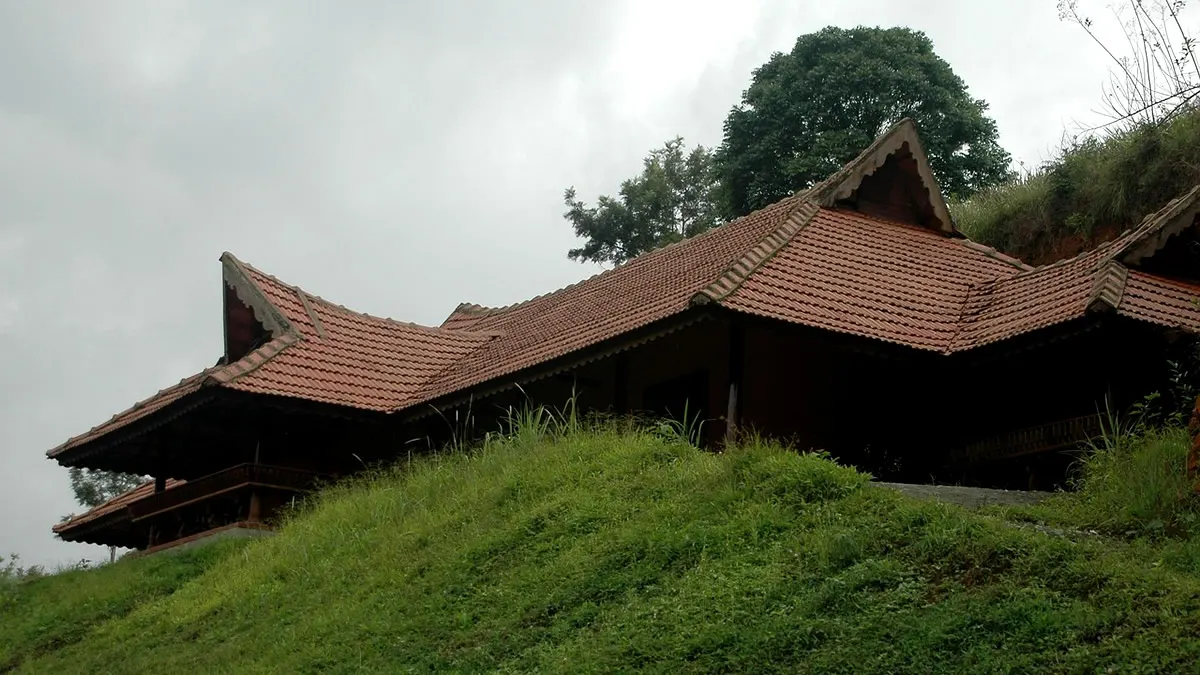
Kerala offers accommodation for every budget and travel style. Standards are generally good; even budget places tend to be clean and well-maintained.
Luxury Resorts
High-end resorts in Kerala often occupy stunning locations: beachfront in Kovalam, lakeside in Kumarakom, hilltop in Munnar, or perched above Varkala cliffs. These properties typically include spa facilities (often Ayurvedic), swimming pools, multiple restaurants, and activities like yoga, cooking classes, or guided nature walks.
Expect to pay ₹10,000-30,000 per night, sometimes more for top-tier brands or peak season. Many focus on wellness, offering Ayurvedic treatment packages alongside regular stays. The best combine luxury with environmental responsibility: traditional Kerala architecture, solar power, water conservation, and support for local communities.
Some properties work as destination in themselves. If you’re spending several days at a backwater or beach resort, choosing the right one matters since you’ll likely spend significant time there.
Boutique Hotels
Kerala has excellent boutique properties, often more interesting than chain hotels. Heritage homestays convert old tharavads (traditional Kerala homes) into atmospheric accommodations. Plantation bungalows in tea or coffee estates let you wake up surrounded by cultivation. Eco-lodges in forested areas minimise environmental impact while maximising nature connection.
These places usually have fewer than 10-15 rooms, personal service, and distinct character. Owners often live on property, sharing local knowledge and making recommendations. Prices range ₹3,000-12,000 depending on location and amenities.
This category offers some of Kerala’s most memorable stays. A converted spice trader’s home in Fort Kochi tells stories through its architecture. A family-run plantation bungalow in Munnar includes guided estate walks with planters who know every tea bush. An eco-lodge in Wayanad arranges tribal village visits and coffee tasting sessions.
Houseboats
Houseboats deserve their own category since they’re accommodation and experience combined. A night on a kettuvallam floating through backwaters ranks high on most Kerala itineraries.
Deluxe houseboats (₹12,000-20,000) typically have 1-3 bedrooms with attached bathrooms, air conditioning, living area, and front deck. Crew includes a captain, cook, and helper who prepare meals included in the price. Menus focus on Kerala cuisine: fish curry, prawn fry, vegetable thoran, rice, and sometimes toddy (palm wine) if requested.
Premium houseboats (₹20,000-40,000+) add refinements: better furnishings, larger rooms, upgraded menus, perhaps a small hot tub on deck. The basic experience stays similar; you’re paying for comfort upgrades.
Budget options exist: smaller boats without AC or day cruises rather than overnight stays. These work fine if you’re flexible about amenities.
Houseboats moor for the night since navigating canals after dark is unsafe. You’ll anchor in a quiet spot, have dinner on deck watching stars, sleep to the sound of water, and wake to mist rising off the backwaters. It’s wonderfully peaceful.
Homestays
Homestays have become popular in Kerala, offering genuine local experiences at reasonable prices. You’ll stay in someone’s home (or an adjacent property), eat meals with the family, and learn about daily life.
Good homestays go beyond cheap accommodation. Hosts share knowledge about local culture, arrange activities like fishing trips or village walks, teach you to cook Kerala dishes, or simply sit and talk over tea. It’s this interaction that makes homestays special.
Expect to pay ₹1,500-4,000 per night including breakfast, sometimes dinner too. Standards vary widely; check recent reviews. The best homestays balance privacy (your own room and bathroom) with opportunities for interaction.
Villages around Kumarakom, Alleppey, Munnar, Wayanad, and Varkala have numerous homestay options. Some tourism cooperatives organise village homestays where income benefits entire communities.
Budget Stays
Backpackers and budget travellers will find Kerala easier than many parts of India. Hostels have opened in all major tourist towns, offering dorm beds for ₹400-800 and private rooms for ₹1,200-2,000. These usually include common areas for meeting other travellers, sometimes kitchens, and staff who understand what budget travellers need.
Guesthouses and simple hotels offer basic clean rooms with private bathrooms for ₹800-1,500. Don’t expect frills, but rooms are generally adequate. In smaller towns and villages, family-run lodges charge even less, though comfort levels drop accordingly.
Beach shacks in Varkala rent simple rooms, sometimes just a bed and fan behind a café, for ₹600-1,000 in low season. Fort Kochi has several budget properties in atmospheric old buildings.
Responsible Tourism Tips
Kerala has embraced responsible tourism, but travellers play crucial roles in ensuring their visits benefit communities while minimising negative impacts.
Support Local Communities
Choose accommodation and tour operators that directly benefit local people. Homestays, community-run village tours, and local guides put money into residents’ hands rather than distant corporations. Many traditional industries (handloom weaving, handicrafts, spice farming, fishing) supplement income through tourism; buying directly from producers ensures they get fair value.
Ask your accommodation about their employment practices and community initiatives. The best properties hire locally, source food from nearby farmers, and support schools or health centres in surrounding villages.
Respect Wildlife
Kerala’s wildlife reserves exist to protect ecosystems and animals, not entertain tourists. Follow these principles:
- Maintain distance from animals; never approach or feed them
- Keep noise low in reserves and forests
- Stay in vehicles during safari drives unless in designated areas
- Don’t litter; even organic waste can alter animal behaviour
- Choose ethical operators; avoid any offering rides on elephants or direct contact with wild animals
- If you witness abuse or illegal activity, report it to forest authorities
Photography is fine but don’t let it override animal welfare. That perfect shot isn’t worth disturbing wildlife or breaking rules.
Reduce Plastic Use
Kerala has declared plastic-free zones in some areas, but enforcement varies. Do your part:
- Carry a refillable water bottle; most hotels and restaurants provide filtered water
- Refuse plastic bags; bring a cloth bag for shopping
- Skip plastic straws; drinks taste the same without them
- Choose restaurants using traditional banana leaves or regular plates over plastic/styrofoam
- If you buy packaged snacks or drinks, dispose of plastic properly or take it to your accommodation for disposal
Many beaches face serious plastic pollution. If you’re staying near the coast, consider spending 15 minutes collecting beach trash. It’s a small act that makes visible difference.
Dress Respectfully
Kerala is relatively liberal by Indian standards, but modest dress shows respect, particularly in temples, rural areas, and small towns. Cover shoulders and knees. Women should avoid very revealing clothes outside beach areas and tourist hotels. Men can usually wear shorts, but long pants work better in temples and religious sites.
Most temples require removing shoes before entering. Some have separate entry lines for men and women. Major temples may restrict non-Hindus from inner sanctums; respect these rules.
Choose Certified Ayurveda Centres
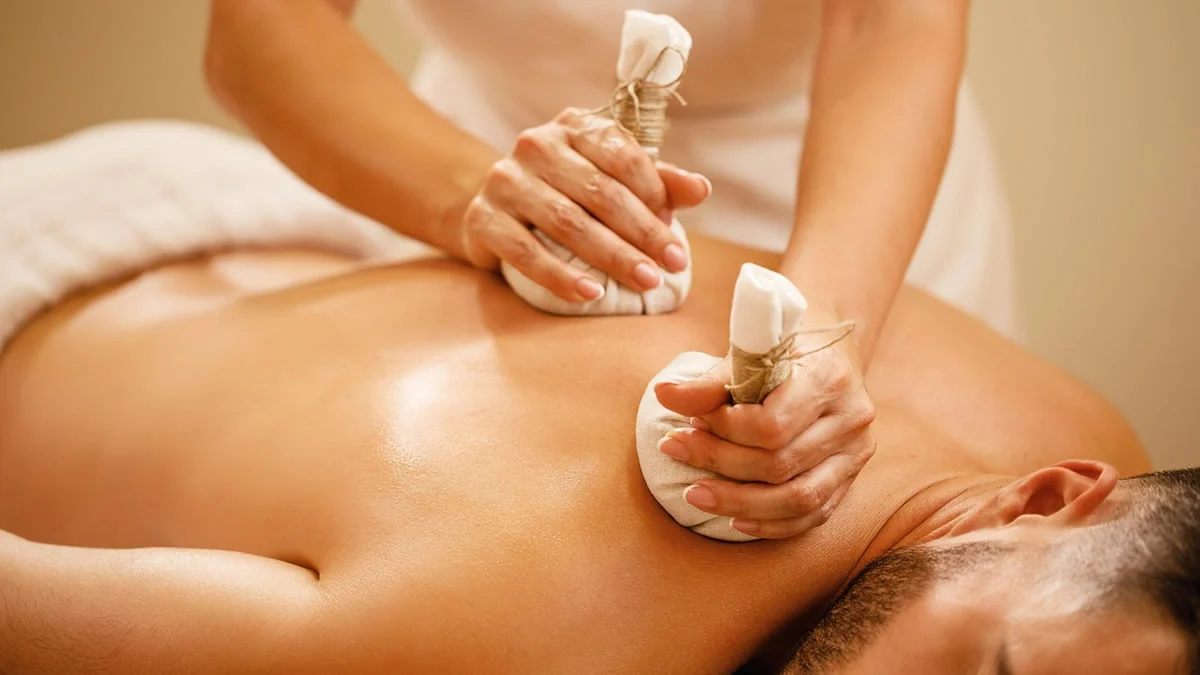
Ayurveda’s popularity has spawned many centres, not all legitimate. The Kerala government certifies authentic Ayurvedic centres through the Department of Ayurveda. Look for “Green Leaf” (premium) or “Olive Leaf” (standard) certification.
Proper Ayurvedic treatment requires consultation with a qualified vaidya (doctor) who prescribes specific treatments based on your constitution and condition. Be suspicious of places offering identical packages to everyone or focusing more on spa luxury than therapeutic value.
Genuine treatment takes time. While single massages feel good, serious Ayurvedic therapy runs weeks, even months. Reputable centres explain this honestly rather than promising instant results.
Other Considerations
- Learn a few Malayalam words; locals appreciate the effort (hello: namaskaram; thank you: nanni; goodbye: poyi varatte)
- Ask permission before photographing people, especially women and children
- Bargain respectfully in markets but remember fair prices benefit sellers
- Be patient; India moves at its own pace
- Tip service staff appropriately (10% in restaurants, ₹50-100/day for drivers)
- If homestaying or visiting someone’s home, removing shoes at the entrance is customary
What’s New in 2026
Kerala continues improving its infrastructure while staying committed to responsible tourism. More homestays have come up across villages, giving travellers genuine local experiences. The state has ramped up eco-friendly initiatives, from plastic-free zones to community-run conservation projects. Transport links have improved too, with better roads connecting remote areas and expanded flight connections to Kochi and Trivandrum.
Ayurvedic wellness has gone mainstream, with certified centres offering everything from weekend detox programmes to month-long treatments. You’ll also notice improved facilities at wildlife sanctuaries and national parks, making nature tourism more accessible and comfortable.
Plan Your Perfect Kerala Journey
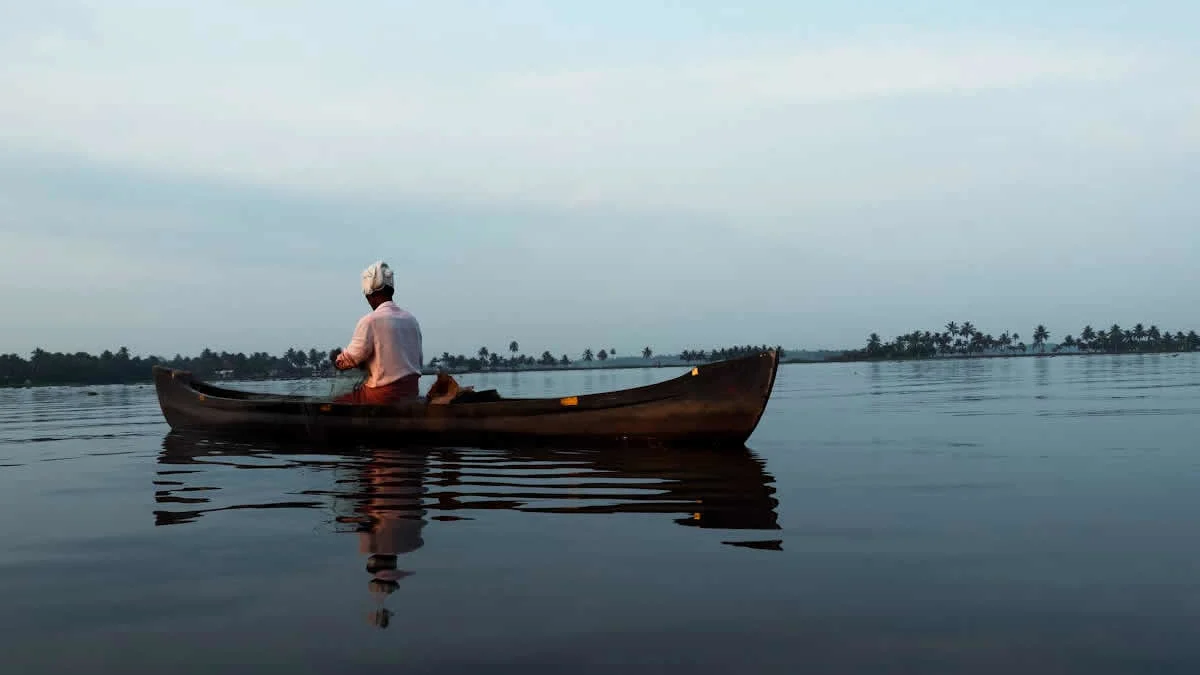
Kerala rewards both spontaneity and planning. The compact geography means mistakes aren’t costly; if one place doesn’t suit, the next is a few hours away. Yet some advance booking helps, especially for houseboats, quality homestays, and accommodation in peak season.
Consider what matters most to you. Nature lovers should prioritise wildlife sanctuaries and hill stations. Culture enthusiasts will want time in Kochi and perhaps Thrissur. Those seeking relaxation might focus on beach resorts and Ayurvedic retreats. Most visitors mix elements, which Kerala facilitates beautifully.
The state’s genuine warmth stands out. People here are educated, curious about visitors, and generally helpful. You’ll have conversations with autorickshaw drivers about politics, homestay hosts who insist on teaching you Malayalam, and strangers who go out of their way to help you find places. This human connection enriches any journey.
Kerala has managed tourism better than many Indian states, preserving natural beauty while developing infrastructure. The challenge is maintaining this balance as visitor numbers grow.
Whether you’re floating through backwaters at sunset, hiking through cloud-wrapped tea estates, watching elephants at a waterhole, or simply savouring fish curry on a banana leaf, Kerala offers something rare: accessible natural beauty combined with rich culture and genuine hospitality. It’s a combination that keeps bringing travellers back, year after year.