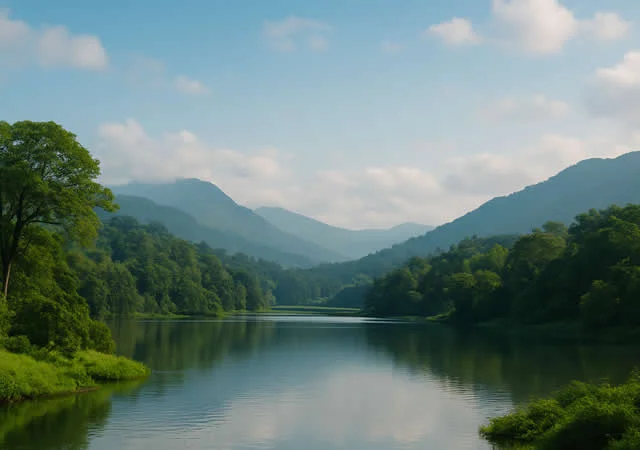
What makes Kerala special isn’t just the natural beauty, it’s how accessible everything is. Most major attractions sit within a few hours of each other, making it easy to experience multiple landscapes in a single trip. Within this narrow strip along India’s southwest coast, you’ll find everything from mist-covered mountains to tranquil backwaters, dense wildlife reserves to historic port towns, and thundering waterfalls to cliff-backed beaches.
Our Top 10 list brings together the most iconic and enriching travel experiences Kerala has to offer. From mist-covered hills to palm-lined backwaters, each place tells a unique story.
Whether you’re visiting for the first time or returning to explore deeper, this list covers the essential destinations that capture Kerala’s diverse character. Whether you’re seeking adventure in the mountains, peace on a houseboat, or a glimpse into India’s colonial past, these ten destinations capture the essence of what makes Kerala so special. Let’s explore the places that should be on every Kerala itinerary.
1. Munnar: Rolling Tea Plantations & Misty Hills
Munnar sits at about 1,600m (5,249 feet) in the Western Ghats, where the temperature drops noticeably and the air smells of tea and eucalyptus. The landscape here is what postcards are made of: rolling hills carpeted in bright green tea bushes, with valleys disappearing into mist.
The cool climate makes Munnar a popular escape from Kerala’s coastal heat. Nature lovers come for the biodiversity, photographers for the endless vistas, and couples for the romantic mountain setting. The best months to visit are September through March when skies are clear and the weather is pleasant.
Eravikulam National Park
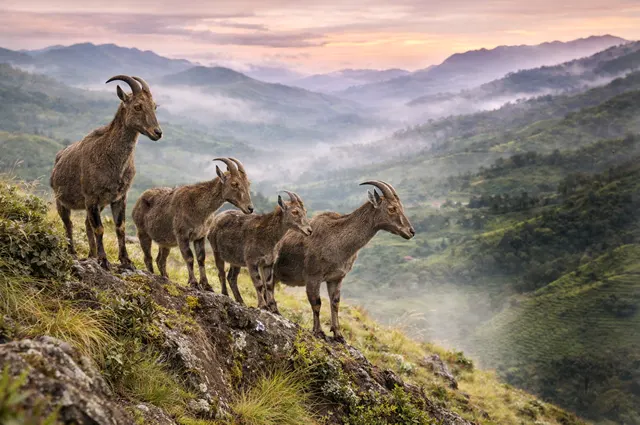
Eravikulam National Park protects one of the largest surviving populations of the Nilgiri tahr, a mountain goat found nowhere else on earth. The park’s rolling grasslands sit above 2,000m (6,562 feet), and spotting these sure-footed animals is almost guaranteed. They’ve grown accustomed to visitors and often graze close to the walking trails.
The park gains extra fame for the Neelakurinji flowers that bloom once every twelve years, turning entire hillsides purple-blue. The next bloom is expected in 2030, and when it happens, visitor numbers multiply several times over. The 2km (1.2 miles) trail from the entrance to the main viewpoint is easy enough for most fitness levels.
More to Explore in Munnar
Tea Museum in the town tells the story of how tea cultivation transformed these hills starting in the 1870s. You’ll see old machinery, photographs, and explanations of the tea-making process. It’s small but informative, and the setting in an old tea factory adds authenticity.
Mattupetty Dam sits about 13km (8 miles) from Munnar town, surrounded by forests and grasslands. The reservoir reflects the surrounding peaks on calm days. Boat rides are available, though the real draw is the scenic drive getting there through tea estates.
Kundala Lake, another 8km (5 miles) further, is known for its shikara boat rides. The lake sits in a valley with tea gardens climbing the slopes on all sides.
Top Station, at 2,100m (6,890 feet), marks the highest point on the Munnar-Kodaikanal road. On clear days, the view extends into Tamil Nadu’s plains. The drive up is spectacular, winding through tea estates and occasional shola forests.
The drive from Kochi to Munnar takes about 4 hours covering 130km (81 miles). Roads are good, though they get congested during peak season and holidays.
2. Alleppey (Alappuzha): The Backwater Capital
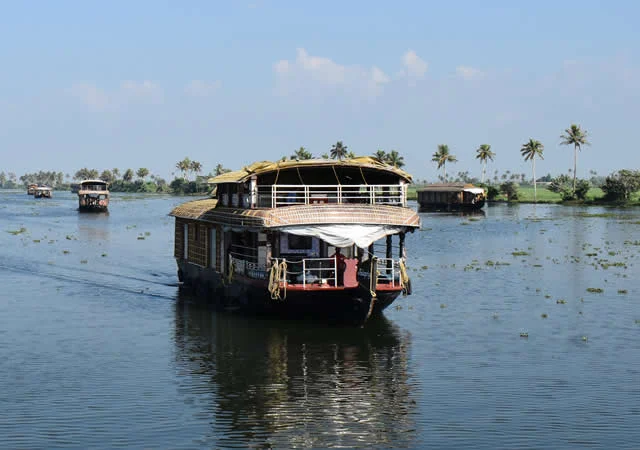 Alleppey serves as the gateway to Kerala’s backwaters, an intricate network of canals, lakes, and lagoons that has shaped life here for centuries. Before roads were built, these waterways were the main transport routes. Today they offer visitors a glimpse into a slower pace of life.
The landscape is distinctly Kerala: narrow canals lined with coconut palms, small villages where houses face the water, paddy fields that flood during monsoon, and an overall sense of calm that’s hard to find elsewhere.
Houseboat Cruises
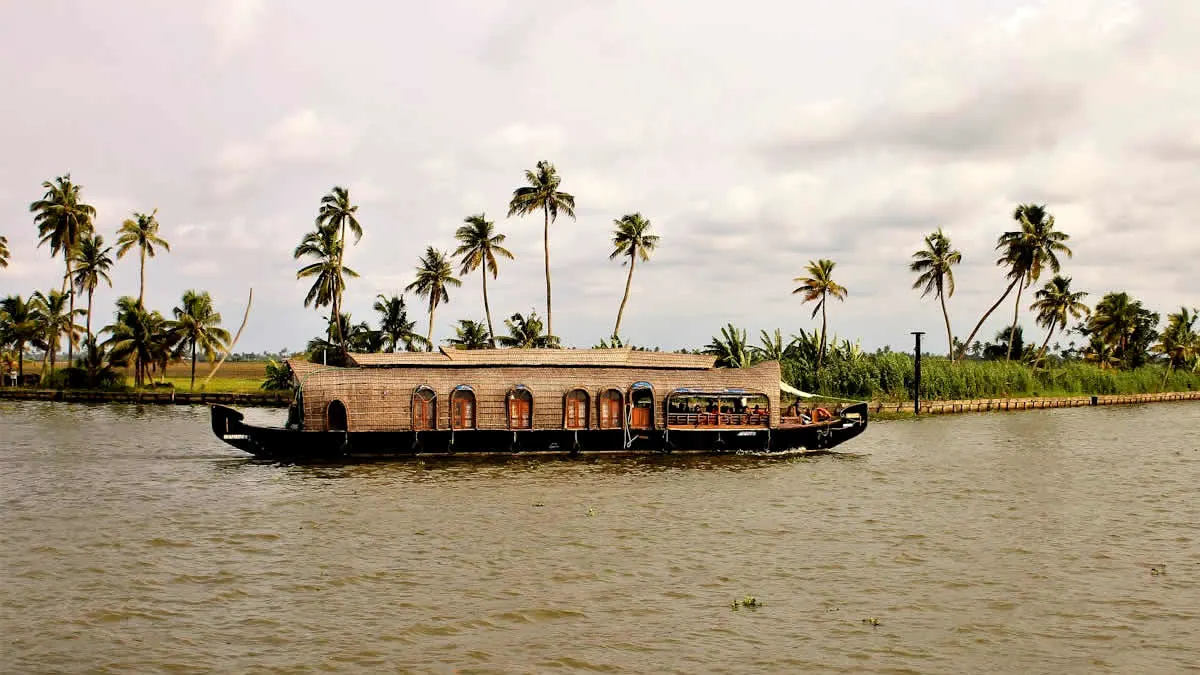
Houseboat Cruises are what most people come for, and they don’t disappoint. These converted cargo boats, called kettuvallams, now serve as floating hotels. The traditional design uses wood planks tied together with coir rope, though modern versions have engines and proper facilities.
A day cruise typically lasts 3 to 6 hours, taking you through canals of varying widths. You’ll pass village temples, watch fishermen at work, see women washing clothes at the water’s edge, and observe daily life that revolves around these waterways.
Overnight trips offer more immersion. The boat moors in a quiet spot for the night, and you wake to mist rising off the water and the sounds of rural Kerala coming to life. The crew prepares meals onboard, usually traditional Kerala dishes heavy on coconut, fish, and local vegetables.
If houseboats feel too touristy, local ferries and small canoes with guides provide alternatives. These smaller vessels access narrower canals where the big boats can’t reach.
More to Explore in Alleppey
Vembanad Lake, India’s longest lake, forms the heart of Alleppey’s backwater system. During the Onam festival in August or September, this lake hosts the famous Nehru Trophy Boat Race, where teams of over 100 rowers propel massive snake boats in a thrilling competition.
Kuttanad Region is remarkable for being one of the few places in the world where farming happens below sea level. Reclaimed from backwaters, these paddy fields sit protected by bunds. The annual rice harvest here has been going on for generations, and the region supplies a significant portion of Kerala’s rice.
Marari Beach sits about 11km (7 miles) from Alleppey town. Unlike busier Kerala beaches, Marari remains relatively peaceful. The sand is clean, the sea calm most of the year, and fishing villages dot the coastline. It’s a good spot if you want to combine backwaters with some beach time.
Alleppey is 53km (33 miles) from Kochi, about 90 minutes by road. The town has a small railway station with connections to major cities.
3. Thekkady: Wildlife, Spice Plantations & Forest Adventures
Thekkady town sits on the edge of Periyar Wildlife Sanctuary, one of South India’s most important protected areas. The combination of wildlife, dense forest, and spice-growing hills makes this region different from Kerala’s coastal attractions.
At about 900m (2,953 feet) elevation, the climate is comfortably cool year-round. The landscape is mountainous, covered in evergreen and deciduous forest, with the artificial Periyar Lake at its center.
Periyar Wildlife Sanctuary
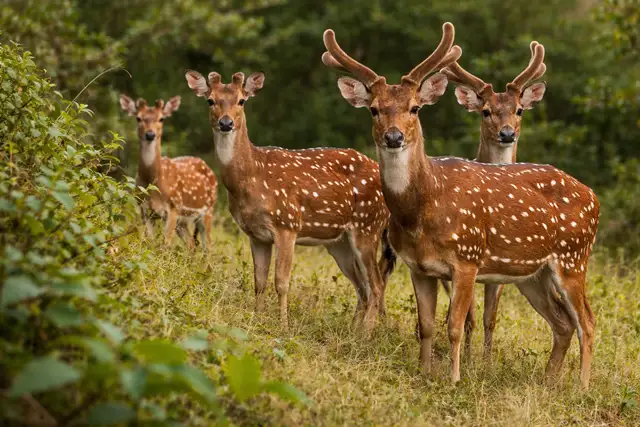
Periyar Wildlife Sanctuary covers 925 square km (357 square miles), though only parts are open to visitors. Early morning boat safaris on Periyar Lake offer the best wildlife viewing. Elephants are commonly spotted, often in family groups coming to the water’s edge to drink and bathe. Gaur (Indian bison), sambar deer, and various primates also appear regularly.
Tigers and leopards live in the sanctuary, but sightings are rare. These cats avoid humans and stick to deeper forest areas. Still, knowing they’re there adds a certain thrill to the experience.
The boat rides last about 90 minutes and operate several times daily. Morning departures have the advantage of animal activity and better light, though they also attract bigger crowds.
Beyond the boat ride
The sanctuary offers several ways to explore. Guided nature walks take you into the forest with trained trackers who can spot animals and birds you’d easily miss. These walks range from 4km to 15km (2.5 to 9 miles) and vary in difficulty.
Border hiking is a full-day trek that follows old animal trails deep into the forest. You need reasonable fitness for this one, but it’s the most rewarding way to experience Periyar’s wilderness.
Nature Walks & Bamboo Rafting provide alternatives to the boat safari. Guided walks take you into the forest on established trails, with trackers who can spot animals and explain the ecosystem. These walks range from 3km to 15km (2 to 9 miles) depending on the route chosen.
Bamboo rafting combines the quiet approach of the walks with lake access. Small groups drift along the shore on rafts made from bamboo poles, which disturbs wildlife less than motorboats. The rafting trips last 3 to 4 hours and include a forest walk component.
Spice Plantations surround Thekkady, and visiting one should be part of your itinerary. Kerala’s spice trade goes back over 2,000 years, and these hills grow cardamom, pepper, cinnamon, cloves, nutmeg, and vanilla.
Plantation tours explain cultivation methods, processing techniques, and the different varieties of each spice. You’ll see coffee and tea growing alongside spices, and most places include an Ayurveda component explaining traditional medicine uses. Many plantations sell fresh spices directly, which make excellent souvenirs.
Thekkady is 190km (118 miles) from Kochi, about a 4.5-hour drive through scenic hill country. The town has decent accommodation options ranging from budget lodges to upscale resorts.
4. Varkala: Beaches, Cliffs & Relaxed Vibes
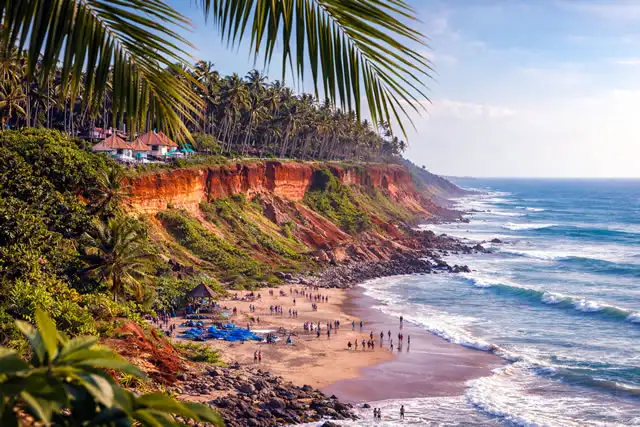
Varkala is one of India’s few beaches where dramatic cliffs meet the sea. Instead of the typical palm-backed shoreline, red laterite cliffs rise about 15m (49 feet) above the sand. The clifftop has evolved into a strip of cafes, shops, and guesthouses, all with ocean views.
The beach atmosphere is relaxed and slightly bohemian. You’ll find long-term travelers, yoga practitioners, and people genuinely there to unwind rather than tick off attractions.
Varkala Cliff
Varkala Cliff is where most activity centers. The clifftop path runs for about 1km (0.6 miles), with restaurants and shops on one side and ocean views on the other. Sunsets from here are spectacular, with the Arabian Sea turning orange and gold.
The cliff is divided into North Cliff and South Cliff sections. North Cliff is busier with more establishments and a livelier vibe. South Cliff is quieter, appealing to those who prefer less activity. Both areas are connected by the beach.
Papanasam Beach
Papanasam Beach, as the main stretch is traditionally called, means “destroyer of sins.” Hindu tradition holds that the waters here have purifying properties. You’ll often see locals performing rituals at the water’s edge, especially early morning.
The beach is good for swimming, though waves can be strong. Lifeguards are present during peak season, and it’s wise to check conditions before going in. The sand is clean and the beach wide enough to find space even during busy periods.
A natural spring flows down the cliff at one point, creating a small freshwater stream. Locals consider this water to have healing properties, and regardless of belief, it’s refreshing after a swim in the salty sea.
More to Explore in Varkala
Janardhana Swamy Temple dates back over 2,000 years and remains an active place of worship. The temple sits just north of the beach area and is dedicated to Lord Vishnu. Non-Hindus can view the exterior and the temple tank, though entry to the inner sanctum is restricted.
The temple’s architecture follows traditional Kerala style with sloping red-tiled roofs and wooden carvings. The location near the beach means it’s often part of the scenic clifftop walk.
Varkala is 51km (32 miles) from Thiruvananthapuram and has its own railway station with good connections. The town makes a good base for a few days, offering both beach relaxation and cultural elements.
5. Athirappilly Falls: Kerala’s Majestic Waterfall
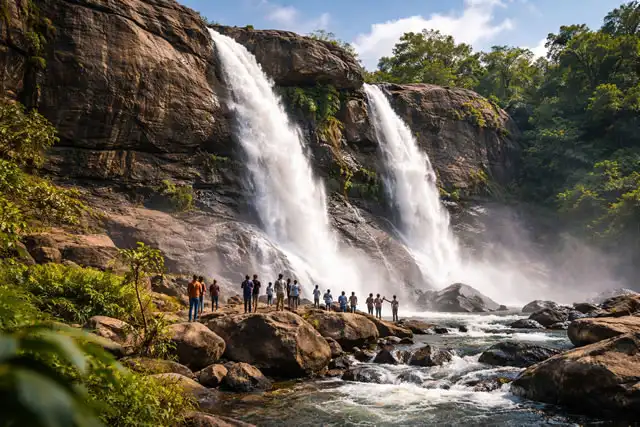
Athirappilly Falls is Kerala’s largest waterfall, where the Chalakudy River drops about 25m (82 feet) in a wide cascade. The falls are sometimes compared to Niagara for their width rather than height, though the comparison is mainly to give people a sense of scale rather than suggest they’re equal.
What makes Athirappilly special is the setting. Dense forest surrounds the falls, and the thundering water creates a constant mist that keeps the area lush and green. The powerful flow and natural beauty have made this location popular with filmmakers, including scenes from the movie Baahubali.
Viewpoints
Viewpoints offer different perspectives of the falls. The main viewpoint from the entrance gives you a frontal view of the entire cascade. Steps lead down closer to the base, where spray creates rainbows on sunny days. The rocks can be slippery, so proper footwear and caution are necessary.
For a different view, take the path that leads upstream to the right. This trail goes through forest and eventually reaches the top of the falls. The walk is about 2km (1.2 miles) each way on uneven ground, so reasonable fitness helps. From the top, you can see how the river flows peacefully before suddenly dropping into the gorge.
Monsoon months from June to September bring the falls to their most dramatic state, with massive water volume and intense spray. The downside is that access to certain viewpoints may be restricted for safety, and crowds are larger. Post-monsoon months of October and November offer a good balance of strong flow and better access.
More to Explore near Athirappilly
Vazhachal Falls sits just 5km (3 miles) away and makes a good combination trip. It’s less dramatic than Athirappilly but set in beautiful forest surroundings. The area between the two falls is part of the Sholayar Reserve Forest, home to several endangered species including the lion-tailed macaque and great hornbill.
Charpa Falls requires a bit more effort to reach but sees fewer visitors.
Birdwatching is excellent in the surrounding forest, which is part of the Sholayar Reserve. The area is home to several endangered species including the great hornbill and lion-tailed macaque. Early morning offers the best chance for wildlife spotting.
Athirappilly is 60km (37 miles) from Kochi, about 90 minutes by road. The route passes through Chalakudy town, where you can stop for meals. Most people visit as a day trip from Kochi or Thrissur, though there are a few accommodation options near the falls if you want to spend more time exploring the area.
6. Wayanad: Misty Forests, Treks & Rural Landscapes
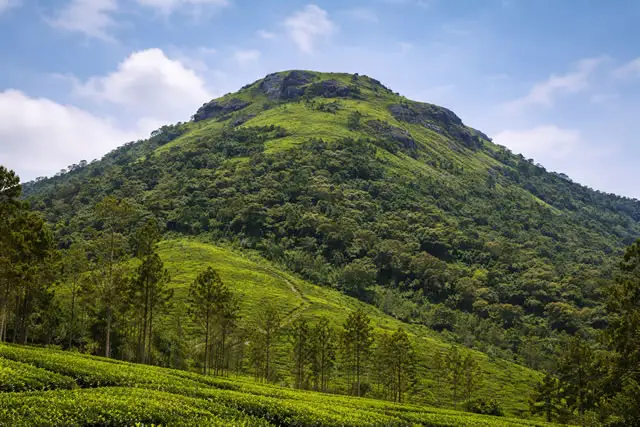
Wayanad district sits in Kerala’s northeast corner, bordering Karnataka and Tamil Nadu. At elevations between 700m and 2,100m (2,297 to 6,890 feet), the climate is noticeably cooler than coastal Kerala. The landscape is dominated by mountains, forests, coffee and spice plantations, and rice paddies.
This region offers Kerala’s best trekking and adventure activities. The mountains here are part of the Western Ghats UNESCO World Heritage Site, known for exceptional biodiversity. Wayanad also has significant tribal populations, and their culture adds another dimension to the region’s character.
Chembra Peak Trek & Heart-shaped Lake
Chembra Peak Trek & Heart-shaped Lake is Wayanad’s signature adventure. At 2,100m (6,890 feet), Chembra is the district’s highest point. The trek covers about 7km (4.3 miles) and takes 3 to 4 hours to reach the summit, depending on fitness and pace.
Halfway up, you’ll reach a heart-shaped lake that has become iconic. The lake remains full even during dry season, fed by underground springs. The view from the summit covers three districts on clear days.
You need a permit from the Forest Department to trek Chembra, and guides are mandatory. The trail is well-maintained but steep in sections. Start early to avoid afternoon clouds that can obscure views.
Edakkal Caves
Edakkal Caves aren’t technically caves but rather a cleft between two massive boulders. What makes them significant are the ancient petroglyphs covering the walls. Some of these rock carvings date back over 6,000 years, showing human figures, animals, and symbols from different periods.
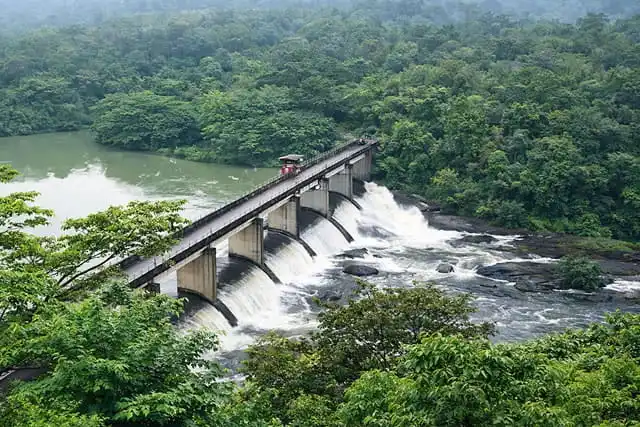
The climb to reach the caves is about 1km (0.6 miles) of steep steps, but the historical importance and panoramic views from the top make it worthwhile. The site is managed by the Archaeological Department, and information boards explain the significance of the carvings.
More to Explore in Wayanad
Meenmutty & Soochipara Waterfalls are among Wayanad’s most visited natural attractions. Meenmutty is a three-tiered waterfall with a total drop of about 300m (984 feet). Reaching it requires a 2km (1.2 miles) trek through forest, which gets slippery during monsoon.
Soochipara, also called Sentinel Rock Waterfalls, drops 200m (656 feet) in multiple stages. The pool at the base is suitable for swimming during dry season. The approach involves a 2km (1.2 miles) walk through forest and spice plantations.
Banasura Sagar Dam is India’s largest earthen dam, set against a backdrop of Banasura Hill. The reservoir has islands formed by submerged hilltops. Boating is available, and the views across the water to the mountains are beautiful. The dam area is well-maintained with gardens and viewpoints.
Wayanad Wildlife Sanctuary forms part of the Nilgiri Biosphere Reserve. The Tholpetty and Muthanga ranges offer safari options where you might spot elephants, deer, monkeys, and occasionally leopards or tigers. Early morning safaris give the best wildlife viewing opportunities.
Wayanad is spread out, and Kalpetta serves as the main town and practical base. The region is 290km (180 miles) from Kochi, a 6-hour drive through beautiful hill country. Having your own vehicle or hiring a driver makes sense given the distances between attractions.
7. Jatayu Earth’s Center, Kollam: Adventure & Mythology
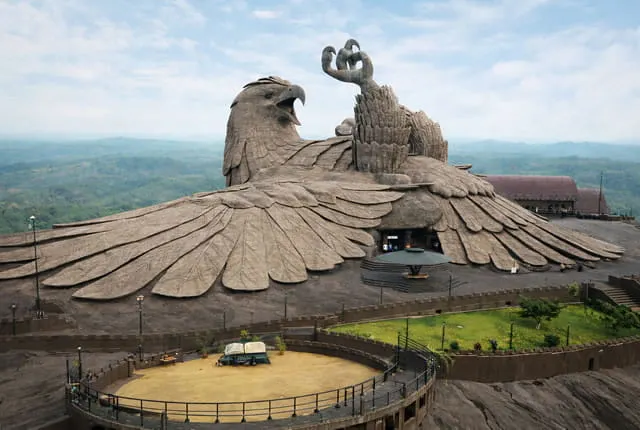
Jatayu Earth’s Center represents a unique blend of mythology, modern art, and adventure tourism. At its center sits the world’s largest bird sculpture, a massive concrete statue of Jatayu from the Hindu epic Ramayana.
According to legend, Jatayu tried to rescue Sita when Ravana abducted her. The bird fought bravely but was fatally wounded and fell to earth at this spot. The sculpture and park were created to honor this mythological event while providing a modern tourism experience.
Bird Sculpture
World’s Largest Bird Sculpture measures 61m (200 feet) long, 46m (151 feet) wide, and stands 21m (69 feet) tall. The detail is impressive, from the feathers to the facial expression. The sculpture sits atop a rock formation about 305m (1,000 feet) above sea level, making it visible from a distance.
You can enter the bird through its belly and climb to viewing galleries inside. The galleries offer panoramic views of the surrounding hills and valleys. The sculpture alone took over 10 years to complete and represents significant artistic and engineering achievement.
More to Explore
Cable Car Ride takes visitors from the base to the hilltop where the sculpture sits. The ride offers aerial views of the landscape and is the easiest way to reach the top. Alternatively, you can climb the steps if you prefer, though there are quite a few of them.
Adventure Zone includes rock climbing, rappelling, zip-lining, paintball, and other activities. The facilities are well-maintained and safety equipment is provided. It’s become popular with school groups and adventure enthusiasts.
A digital museum inside the sculpture uses technology to tell the Ramayana story, with particular focus on Jatayu’s role. The presentation is engaging and works well for both adults and children.
The entire complex covers about 65 acres and is thoughtfully designed. It opened in 2016 and has quickly become one of Kerala’s most visited new attractions.
Jatayu Earth’s Center is 46km (29 miles) from Kollam city and 60km (37 miles) from Thiruvananthapuram. It makes a good stop when traveling between these cities or to Varkala. Plan for 2 to 3 hours to experience the main attractions.
8. Kudukkathu Para: Striking Rock Formations & Panoramic Views
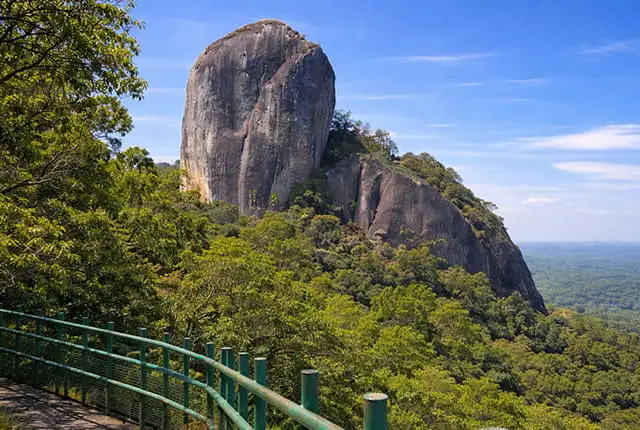
Kudukkathu Para remains relatively unknown compared to other Wayanad attractions, which is part of its appeal. This natural rock formation creates a landscape of smooth stone surfaces, natural pools, and expansive views.
The setting is peaceful and undeveloped, offering an authentic experience away from crowds. Local families come here for picnics, and the atmosphere stays relaxed and genuine.
Highlights
Trekking to the Top involves navigating smooth rock surfaces that can be slippery when wet, so proper footwear is important. The trek isn’t particularly long but requires some scrambling over rocks. Local guides know the safest routes and can point out interesting geological features.
The rock formation itself is striking: large expanses of dark, smooth stone carved by water flow over thousands of years. During monsoon and immediately after, water flows across the rocks creating small cascades and pools. In dry season, the pools remain but become shallow and calm, suitable for a cooling dip.
Sunrise and Sunset Views from the top are spectacular. The rock’s elevation provides unobstructed views across forested valleys and distant hills. Sunrise visits require an early start, but you’ll likely have the place largely to yourself.
The area around Kudukkathu Para is rich in biodiversity, with thick forest surrounding the rock formation. Birds are abundant, and the peaceful setting makes it easy to spend a few hours just relaxing and absorbing the natural beauty.
Access requires passing through plantation areas, and it’s strongly recommended to go with someone who knows the area. The formation is near Kalpetta in Wayanad, about 8km (5 miles) from town. It’s often combined with other Wayanad attractions rather than being a destination by itself.
This is Kerala tourism at its most natural, a place that rewards travelers willing to venture slightly off the established routes.
9. Kochi: Heritage, Port History & Urban Culture
Kochi, also known as Cochin, stands out as Kerala’s most cosmopolitan city and a place where history is tangible. For centuries, this natural harbor attracted traders from around the world seeking spices, and that multicultural heritage is written into the city’s neighborhoods and architecture.
Unlike Kerala’s nature-focused destinations, Kochi offers urban culture, art galleries, contemporary restaurants, and a thriving creative scene alongside its historical attractions. It’s a city that balances old and new quite successfully.
Fort Kochi
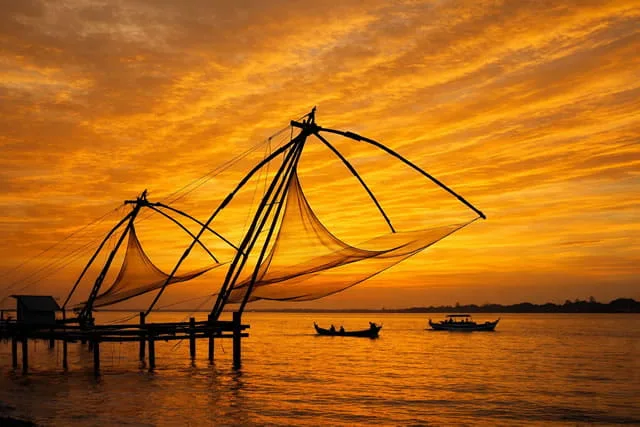
Fort Kochi is where most visitors concentrate their time. This peninsular area has preserved its colonial-era character through careful development. The streets are narrow and walkable, lined with Portuguese, Dutch, and British-era buildings that now house cafes, galleries, boutique hotels, and shops.
The iconic Chinese Fishing Nets line the waterfront at Fort Kochi beach. These massive cantilevered nets were introduced by traders from the court of Kublai Khan in the 14th century. Watching fishermen operate them is fascinating; the nets require several men working in coordination to lower and raise using a counterweight system.
You can buy freshly caught fish directly from the fishermen and have it cooked at nearby stalls, making for an authentic seafood experience.
Mattancherry
Mattancherry sits adjacent to Fort Kochi and has its own distinct character. This area was historically home to Kochi’s Jewish, Christian, and Muslim trading communities.
The Jewish Synagogue, also called Paradesi Synagogue, was built in 1568 and remains one of the oldest active synagogues in the Commonwealth. The interior has hand-painted Chinese tiles, Belgian chandeliers, and ancient scrolls. Only a handful of Jewish families remain in Kochi today, but the synagogue is well-maintained. It’s closed on Fridays and Saturdays.
More to Explore in Kochi
Jew Town, the street leading to the synagogue, is now packed with antique shops. You’ll find everything from old coins and maps to vintage jewelry, furniture, and curios. Whether buying or browsing, it’s an interesting place to explore.
The Dutch Palace in Mattancherry, despite its name, was actually built by the Portuguese around 1555 and later renovated by the Dutch. The murals inside depict scenes from the Ramayana and Mahabharata epics, executed in the traditional Kerala style. The palace also displays royal artifacts, portraits, and ceremonial dress.
St. Francis Church, built in 1503, holds the distinction of being India’s oldest European church. Portuguese explorer Vasco da Gama was originally buried here before his remains were taken back to Portugal. The simple structure and cool interior provide a quiet moment away from the busy streets.
Santa Cruz Basilica, painted in pastel shades and topped with Gothic spires, is one of only eight basilicas in India. The interior is beautiful with ceiling murals and ornate altars worth seeing.
Kathakali Performances happen nightly at several cultural centers in Fort Kochi. This classical dance-drama form originated in Kerala and involves elaborate makeup, expressive hand gestures, and storytelling through movement. Shows typically include a demonstration of the makeup application process, which normally takes hours but is condensed for audiences.
Kochi-Muziris Biennale, when hosted, transforms the city into a contemporary art hub. This international exhibition happens every two years and uses multiple venues across Kochi and nearby areas. The next edition’s dates should be checked if art interests you.
Kochi has an international airport and railway connections throughout India. The city serves as a natural starting point for exploring Kerala and deserves at least two full days on any itinerary.
10. Hill Palace Museum, Tripunithura: Royal Heritage of Cochin
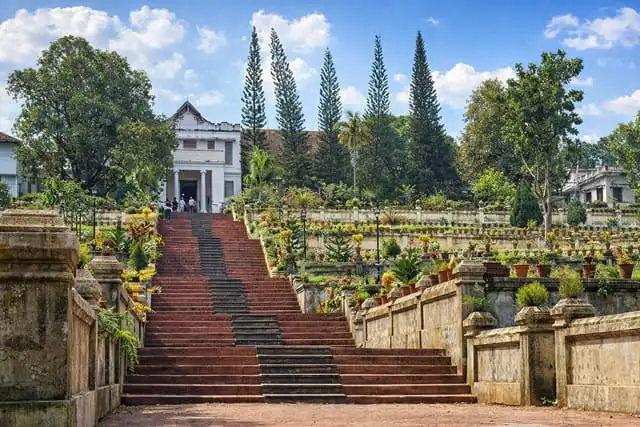
Hill Palace in Tripunithura served as the official residence of the Kochi royal family until 1980. Built in 1865, the complex originally comprised 49 buildings across 52 acres of landscaped gardens. Today it functions as Kerala’s largest archaeological museum, offering a window into royal life during the 19th and early 20th centuries.
The palace provides a different perspective on Kerala’s history, focusing on the aristocracy and their patronage of arts, culture, and learning.
Artifacts & Palatial Architecture
Artifacts & Palatial Architecture fill the main museum building. The collection includes oil paintings, murals, sculptures, manuscripts, and furniture from different periods. The crown and other royal regalia are particularly impressive, showing the craftsmanship of Kerala’s traditional artisans.
The architecture itself follows the traditional Kerala style with sloping roofs, wooden pillars, and verandas designed to maximize natural ventilation. Walking through the rooms gives you a sense of how the royal family lived, though the spaces now serve museum functions rather than residential ones.
The collection includes ancient musical instruments, weapons, coins dating back several centuries, and stone sculptures. A separate section focuses on numismatics, displaying coins from different periods of Kerala’s history and showing how trade influenced the region.
The heritage museum section houses bronze and stone idols, some dating to the 12th century. These pieces were collected from various temples and historical sites across Kerala, and the collection provides insights into the region’s religious and artistic traditions.
Lush Palace Grounds
Lush Palace Grounds remain beautifully maintained and are perfect for a calm walk. Deer roam freely in an enclosed park within the compound. The landscaping includes ornamental plants, old trees, and well-kept lawns.
The grounds also contain a prehistoric park with replicas of stone age tools and weapons, giving context to Kerala’s ancient human history. An equestrian museum focuses on the history of horses in Kerala, including their use in warfare and royal ceremonies.
A small ethno-archaeological museum on the grounds showcases tribal artifacts and explains the lifestyle of Kerala’s indigenous communities. This section is less visited but provides valuable context about the diverse populations that have called Kerala home.
Hill Palace offers a peaceful experience quite different from Kerala’s beach and hill destinations. The combination of history, art, and natural beauty makes it worthwhile for those interested in understanding Kerala beyond its landscapes.
The palace is 12km (7.5 miles) east of Kochi, easily reached by taxi or auto-rickshaw in about 30 minutes depending on traffic. It’s open daily except Mondays. Entry fees are modest, and guided tours are available if you want detailed explanations of the collection.
Experience Kerala’s Full Spectrum
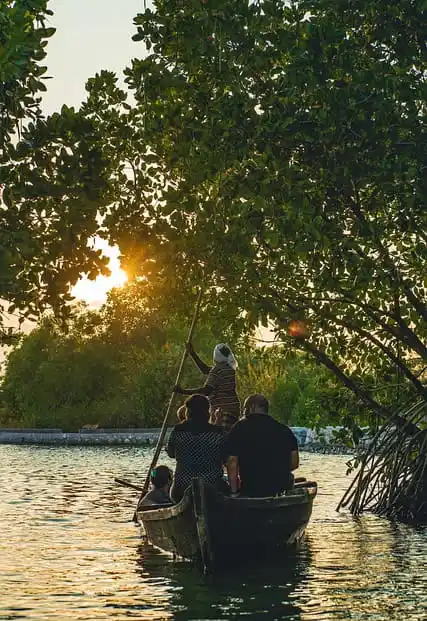
Kerala’s appeal lies in how much variety it packs into a relatively small area. In a single week, you can watch sunrise from a mountain peak in Munnar, drift through backwaters on a houseboat in Alleppey, spot elephants at Periyar, explore centuries-old synagogues in Kochi, and watch sunset from Varkala’s cliffs.
The state’s compact size works in your favor. Most destinations are within a few hours of each other, and the roads connecting them pass through constantly changing landscapes. One moment you’re on a coastal plain, the next you’re climbing into tea-covered hills.
Whether you dream of sipping tea on high-range hills, gliding through calm lagoons, exploring colonial-era ports, or relaxing on sun-drenched beaches, this guide has something for every kind of traveller.
These ten destinations represent different facets of Kerala’s character. Munnar and Wayanad showcase the mountain landscapes. Alleppey reveals the unique backwater ecosystem. Thekkady offers wildlife and forest experiences. Varkala provides beach relaxation with a twist. Athirappilly demonstrates the power of Kerala’s waterfalls. Jatayu Earth’s Center and Kudukkathu Para add adventure and offbeat exploration. Kochi brings in history, culture, and urban energy. Hill Palace rounds out the experience with royal heritage.
Whether you have a week or a month, Kerala rewards both quick visits and extended exploration. The infrastructure is good, accommodation options suit all budgets, and locals are generally helpful to travelers. The food alone, with its emphasis on coconut, fish, spices, and vegetarian dishes, is worth the trip.
Don’t limit yourself only to the famous spots. Some of Kerala’s best experiences happen in places between the major destinations: a roadside tea stall with perfect chai, a local temple festival stumbled upon by chance, a conversation with a spice farmer, or simply watching daily life unfold in a village you pass through.
Kerala is a destination that reveals itself gradually. Each visit uncovers new layers, and the more you explore, the more you realize there is still to discover.