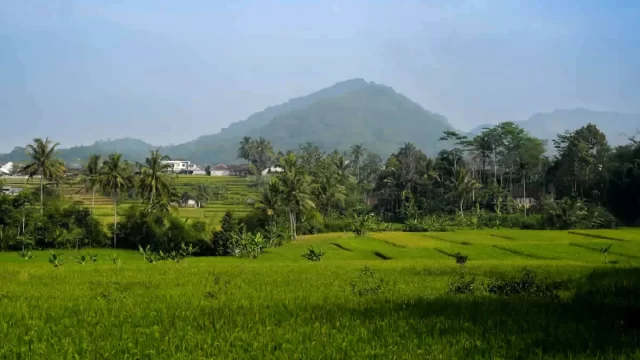
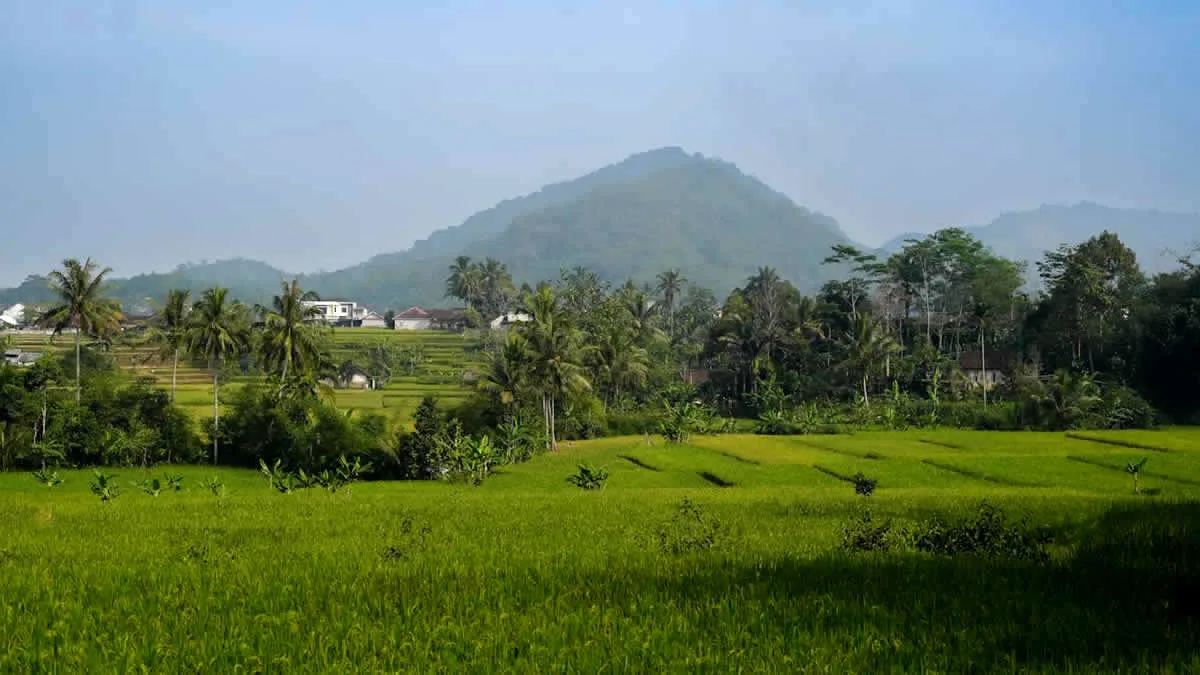
There’s a quieter side of Kerala—where roads fade, crowds vanish, and the land tells its own story.
Kerala is known for its famous backwaters, rolling tea gardens, and palm-fringed beaches—but that’s only one part of the story. Beyond the well-trodden routes lies a quieter Kerala, where mist settles over forgotten hill villages, forest paths lead to remote settlements, and everyday life moves at a gentler, unhurried pace.
These unexplored places in Kerala are not designed for checklist tourism. There are no crowds, no packaged experiences—only narrow roads through the Western Ghats, silent backwaters untouched by houseboat traffic, and villages where traditions remain deeply rooted. It’s a side of Kerala best experienced slowly, with curiosity and respect for the land and its people.
These places offer something the famous spots sometimes can’t: solitude, authentic encounters with local life, and the feeling of genuine discovery.
This guide brings together some of Kerala’s most offbeat and lesser-known destinations—ideal for travellers who have already seen the popular sights and now seek something more meaningful. If you’re drawn to solitude, authenticity, and landscapes that still feel untouched, this is where your journey truly begins.
Why Explore Kerala’s Hidden Gems
The appeal of offbeat destinations isn’t just about avoiding crowds, though that’s certainly part of it. These lesser-known places offer experiences that are fundamentally different from mainstream tourism.
- Deeper immersion happens naturally when you’re not following a set tourist trail. In remote villages, you’re more likely to be invited for tea, asked about your travels, or shown something locals consider special. The interactions feel genuine rather than transactional.
- Connection to nature is stronger in places that haven’t been heavily developed. You can hear birdsong, watch weather systems move across valleys, and experience landscapes that feel wild rather than managed. The ecology often remains intact, giving you a truer sense of Kerala’s natural environment.
- Village life and local traditions are easier to observe and participate in when tourism isn’t the main economic driver. You see farming practices that have been used for generations, attend temple festivals organized for the community rather than tourists, and experience Kerala culture as it’s actually lived.
- Eco-tourism and responsible travel work better in these settings. Your presence directly benefits small communities, local guides, and family-run homestays. The economic impact stays local rather than flowing to large hotels and tour operators. You’re also more likely to find genuinely sustainable practices rather than greenwashing.
The pace is different too. Without a checklist of must-see attractions, you can slow down. Spend a whole morning just walking forest trails. Sit by a stream for an hour. Watch sunset without checking what’s next on the schedule. This kind of travel requires a different mindset, but it often proves more memorable than rushing through famous sites.
Unexplored Destinations in Kerala for Nature Lovers
Kudukkathu Para: Striking Rock Hills & Quiet Viewpoints
Kudukkathu Para remains wonderfully under-visited despite being genuinely beautiful. These massive rock formations in Wayanad create a landscape of smooth stone surfaces interspersed with patches of forest and grassland.
The rocks themselves are ancient, shaped by water and weather over thousands of years. They form natural platforms and viewpoints with expansive vistas across forested valleys and distant hills. Unlike developed viewpoints with railings and refreshment stalls, this is raw nature.
Trekking here involves scrambling over smooth rock surfaces. The stone can be slippery when wet, so proper footwear is essential. Local guides know the safest routes and can point out interesting geological features and the best vantage points.
During monsoon and shortly after, water flows across the rocks creating temporary streams and pools. The contrast of dark stone, flowing water, and green forest is striking. In dry season, the pools become shallow and calm, suitable for a cooling dip.
Photography opportunities are excellent. The clean lines of rock, the play of light across stone surfaces, and the surrounding forest create compositions that don’t need much help. Sunrise and sunset turn the rocks golden, and the absence of other photographers means you can take your time setting up shots.
The area around Kudukkathu Para is rich in bird life. The mix of rock, grassland, and forest attracts different species, and the quiet setting makes observation easier.
Getting there requires passing through plantation areas and some navigation on less-traveled roads. It’s strongly recommended to go with someone who knows the area. The formation is near Kalpetta, about 8km (5 miles) from town.
Ilaveezha Poonchira: Open Valley of Hills
Ilaveezha Poonchira translates to “valley where leaves don’t fall,” and this bowl-shaped grassland plateau in Kottayam district lives up to its unique name. The valley sits at about 915m (3,002 feet) surrounded by three peaks: Mankunnu, Kudayathoormala, and Thonippara.
What makes this place special is the openness. Unlike Kerala’s typically dense forests, this is an expanse of rolling grassland with unobstructed views in all directions. The landscape changes with seasons: lush green during monsoon, golden during dry months, and often misty in the mornings.
Sunrise at Ilaveezha Poonchira is magical. The first light hits the surrounding peaks while the valley remains in shadow, then gradually the whole landscape emerges. The location faces east, making it ideal for morning photography.
Stargazing is exceptional here due to minimal light pollution and the open sky. On clear nights, the Milky Way is visible, and you can see far more stars than anywhere near towns or cities. Camping is sometimes permitted with proper authorization.
The valley has almost no commercial development, which is both its charm and a practical consideration. Facilities are minimal, so bring water, snacks, and anything else you might need. The access road is rough in places but manageable with a regular car driven carefully.
Nature walks across the grasslands reveal small streams, rocky outcrops, and diverse plant life. During monsoon, wildflowers bloom across the valley. The area is also known for medicinal plants, and local guides can explain their traditional uses.
Ilaveezha Poonchira is about 57km (35 miles) from Kottayam, roughly a 2-hour drive through increasingly rural areas. The last stretch involves narrow roads and some climbing. Early morning visits are best, both for the light and to have the place largely to yourself.
Aralam Wildlife Sanctuary: Less Crowded Forest Reserve
While Periyar Wildlife Sanctuary draws thousands of visitors, Aralam in North Kerala’s Kannur district remains relatively unknown. This 55 square km (21 square mile) protected area sits in the Western Ghats and offers genuine wilderness without the crowds.
The sanctuary protects evergreen and semi-evergreen forests that are home to elephants, gaur, deer, leopards, and an impressive variety of birds and butterflies. The density of wildlife here is comparable to better-known reserves, but the visitor numbers are a fraction.
Eco-tourism programs at Aralam are well-organized and focus on education rather than entertainment. Guided treks take you into the forest on established trails. The guides, mostly from local communities, know the terrain intimately and can spot animals and explain the ecosystem.
The forest trails range from easy walks to more challenging hikes. The terrain is hilly, and some paths involve stream crossings and steep sections. The biodiversity is remarkable; even a short walk reveals dozens of bird species, butterflies, and plant varieties.
Butterflies are particularly abundant, with over 160 species recorded. If you’re interested in butterfly photography or simply enjoy observing them, Aralam is excellent. The best time is just after monsoon when flowers bloom and butterfly activity peaks.
The sanctuary operates on an eco-tourism model where visitor numbers are controlled and activities are designed to minimize impact. Overnight stays are possible at the eco-tourism center, which offers basic but comfortable accommodation. Staying overnight allows you to be in the forest at dawn, the best time for wildlife observation.
Aralam is about 50km (31 miles) from Kannur and 35km (22 miles) from Taliparamba. The access road is good most of the way, with the last few kilometers on rougher surface. It’s worth contacting the eco-tourism office in advance to book guides and confirm current programs.
Ponmudi: Beyond the Main Viewpoints
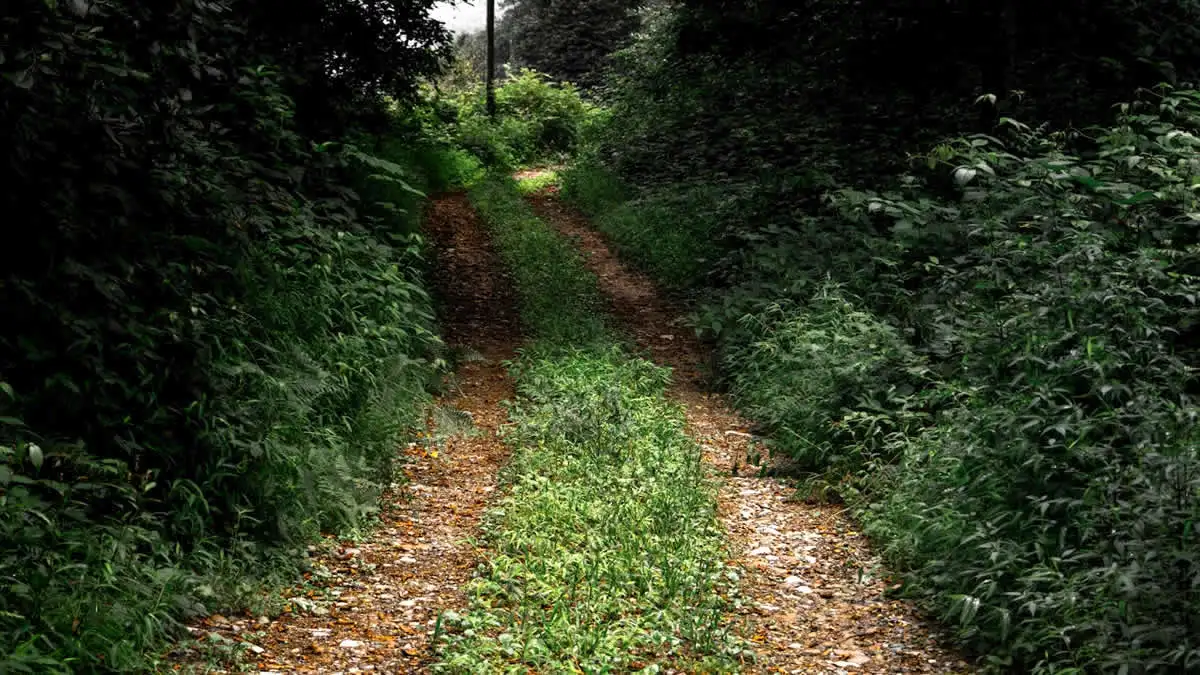
Ponmudi in Thiruvananthapuram district is known as a hill station, but most visitors only see the main viewpoints and the deer park. The real charm lies in exploring beyond these standard stops.
The hills here rise to about 1,100m (3,609 feet) and are covered in thick forest interspersed with tea estates. Numerous streams flow down the slopes, creating small waterfalls and pools. The area receives heavy monsoon rain, keeping everything lush and green.
Lesser-explored forest trails branch off from the main roads. Some are old forest department paths, others are tracks used by estate workers. Walking these trails, you encounter the forest on its own terms: dense vegetation, bird calls, butterflies, and the constant sound of moving water.
The Kallar River flows through the area, and following it upstream takes you to quiet pools and small cascades. The water is clean and cold, fed by mountain springs. Swimming is possible in several spots, though always check depth and current first.
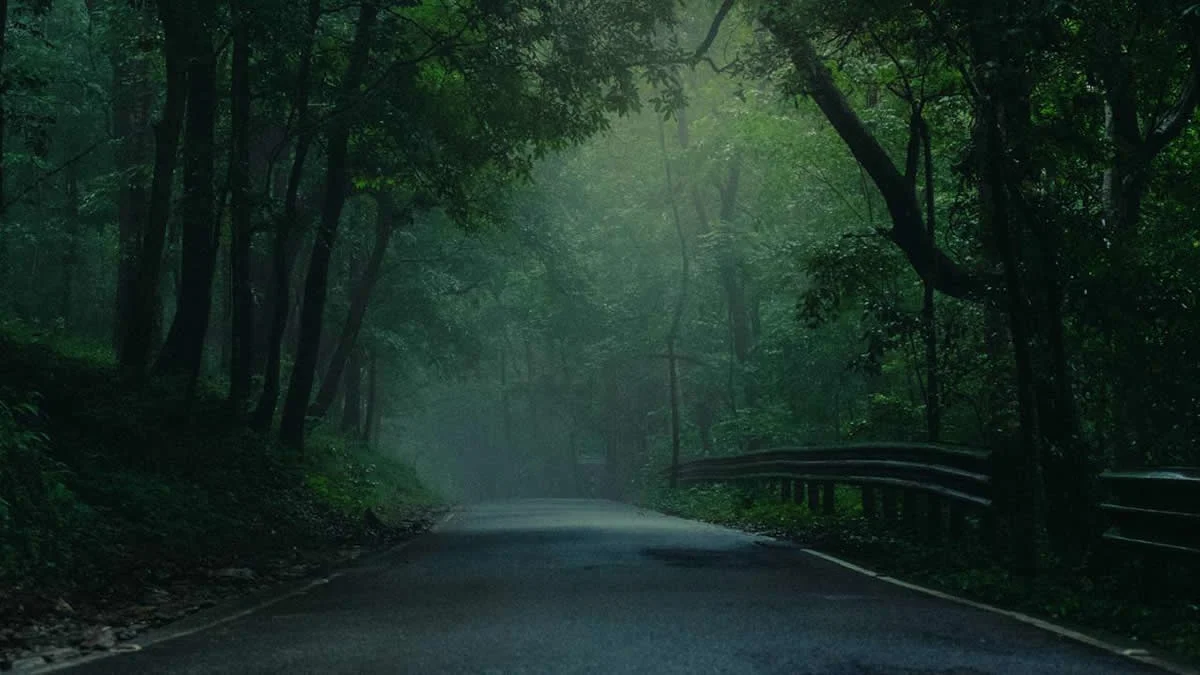
Misty mornings are common in Ponmudi, especially during winter months. The fog rolls in from the valleys, reducing visibility to a few meters and creating an otherworldly atmosphere. When it clears, usually by mid-morning, the views are spectacular.
Several quiet mountain stays operate in the area, ranging from forest department guesthouses to small homestays. Staying here rather than just day-tripping allows you to experience the morning mist, evening bird activity, and the mountain’s changing moods.
Ponmudi is 61km (38 miles) from Thiruvananthapuram, about a 90-minute drive. The road climbs through 22 hairpin bends, which are fun to drive but take time. The hill station gets busy on weekends and holidays, so visit on weekdays for the quieter experience.
Silent Valley Region: Remote Rainforest Landscapes
Silent Valley National Park in Palakkad district protects one of India’s last remaining pristine tropical rainforests. This isn’t an easy place to visit, and that’s precisely what keeps it special.
The park covers 237 square km (92 square miles) of untouched rainforest, home to endangered species including the lion-tailed macaque, Nilgiri langur, and tiger. The forest here has never been logged, making it ecologically invaluable.
The name “Silent Valley” is somewhat misleading. The forest is anything but silent: it’s filled with bird calls, insect sounds, and the noise of streams. The name may come from the absence of cicadas, or from a mistranslation of the Malayalam name ‘Sairandhri‘.
Visiting requires permits and advance planning. Entry is controlled to protect the ecosystem, and independent exploration isn’t permitted. Guided treks are organized through the eco-tourism wing, and these provide the only access to the forest interior.
The biodiversity is staggering. Over 1,000 flowering plant species, 34 mammal species, 200 bird species, and countless insects have been recorded. For anyone interested in tropical ecology or conservation, this is a significant destination.
The landscape is dramatic: steep hills covered in thick forest, rivers cutting through valleys, and waterfalls appearing during monsoon. The Kunthi River flows through the park, and its valley is particularly beautiful.
This is not a place for casual tourism. It requires genuine interest in nature, reasonable fitness for trekking, and acceptance of basic facilities. The reward is experiencing one of India’s most important wilderness areas with minimal human impact.
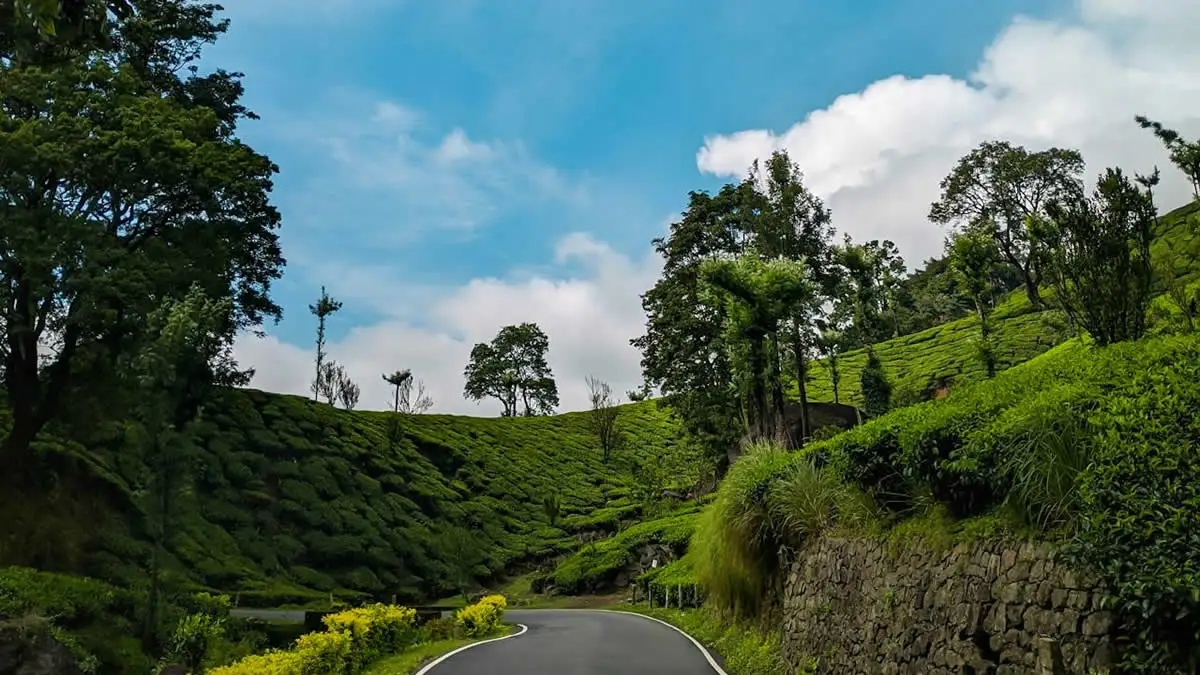
Silent Valley is remote. The nearest town is Mannarkkad, about 24km (15 miles) away. From there, you need to reach Mukkali, the entry point. The drive takes you through increasingly rural areas and finally into forest. Plan for a full day or preferably an overnight trip to make the journey worthwhile.
Marayoor: Sandalwood Forests & Ancient Dolmens
Marayoor sits on the eastern edge of the Western Ghats in Idukki district, about 42km (26 miles) from Munnar. Unlike the rest of Kerala, this area has a drier climate, creating a landscape quite different from the usual lush greenery.
Natural sandalwood forests grow here, one of the few places in India where this happens. The forests are protected, and harvesting is controlled by the government. Walking through these aromatic forests is a unique experience. The sandalwood trees are smaller than you might expect, and they grow mixed with other dry-climate vegetation.
Sugarcane cultivation thrives in Marayoor’s climate. The region is known for producing jaggery (unrefined cane sugar) using traditional methods. Several processing units welcome visitors to see how sugarcane juice is boiled down into jaggery blocks. You can buy fresh jaggery, which makes a good gift or souvenir.
Ancient dolmens scatter across Marayoor’s landscape. These megalithic burial sites date back over 2,000 years and consist of large stone slabs arranged to form burial chambers. While not as elaborate as some other megalithic sites, they’re significant historically and create striking visual elements in the landscape.
The Pambar River flows through the region, and the riverside areas are pleasant for walks and picnics. The water is clean, and swimming is possible in certain spots.
The dry climate means Marayoor doesn’t get as cold as nearby Munnar, making it comfortable year-round. The landscape has a rugged beauty: rocky hills, dry forests, and wide skies that feel more like Tamil Nadu than Kerala.
Rock paintings have been found in some areas, though they’re not easily accessible. Local guides know the locations and can arrange visits if you’re interested.
Marayoor makes a good day trip from Munnar or a quiet base for exploring the region’s eastern side. Accommodation options are limited but include a few homestays and basic lodges.
Remote Backwaters: Kuttanad Villages & Rural Canals
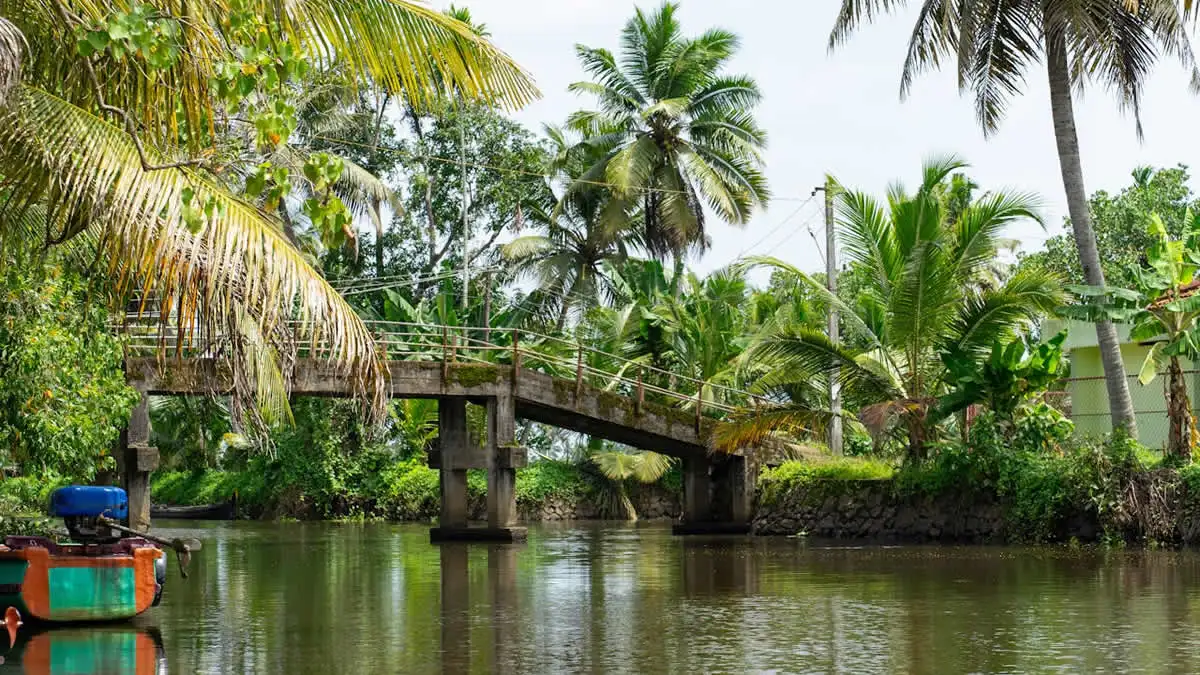
The backwaters around Alleppey are famous, but venture beyond the standard houseboat routes and you’ll find a completely different experience. The Kuttanad region extends across several districts and includes hundreds of kilometers of canals that rarely see tourist traffic.
These narrow waterways connect remote villages where life still revolves around the water. Houses face the canals, children paddle to school in small boats, and goods are transported by water more often than by road.
Canoe rides through these areas, arranged through village homestays or local guides, offer authentic immersion. The small canoes access channels where houseboats can’t go. You’ll paddle (or be paddled) through narrow passages overhung with vegetation, past village temples, and through farming areas where paddy cultivation happens below sea level.
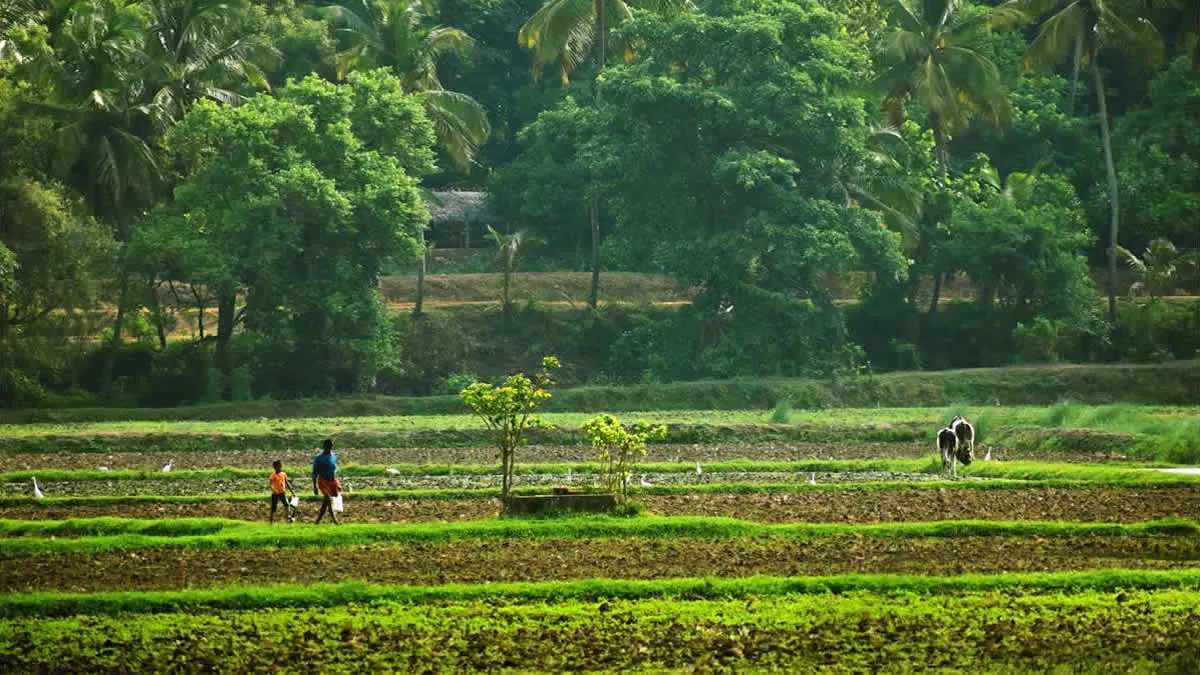
The farming communities here practice a unique form of agriculture called “kayal nilam” or wetland farming. The fields are reclaimed from backwaters and protected by bunds. Watching farmers work these fields, seeing traditional methods in use, and understanding the relationship between water and agriculture provides insights you won’t get from a standard backwater cruise.
Village homestays in the Kuttanad area offer the most authentic backwater experience. You stay with local families, eat homemade Kerala food, and observe daily life. Many homestays can arrange fishing trips, village walks, and visits to local temples or markets.
The backwaters look different through the seasons. During monsoon, water levels rise and the landscape turns intensely green. In summer, you can see more of the banks and the farming cycle. Post-monsoon offers the best balance of good weather and full waterways.
This isn’t tourism infrastructure, it’s real village life. Facilities are basic, and you need to be comfortable with that. The reward is experiencing Kerala’s backwater culture as it’s actually lived rather than as a tourist attraction.
Access varies depending on which village you choose. Some are reachable from Alleppey or Kottayam, others from smaller towns like Changanassery or Thiruvalla. Advance contact with homestays is essential as these aren’t walk-in destinations.
Small Hill-Towns & Rural Retreats
Beyond the famous hill stations, Kerala has numerous smaller hill areas that offer peace without the development. These places appeal to curious travellers seeking quiet mountain experiences and genuine rural life.
- Teekoy in Idukki district sits in spice-growing country at moderate elevation. The landscape is a mix of cardamom plantations, forest patches, and small farming settlements. A few homestays offer comfortable stays where you can walk through plantations, watch agricultural work, and enjoy mountain air without tourist infrastructure.
- Kanjar near Ponmudi is a quiet plantation area known for tea and rubber cultivation. The elevation provides cool weather, and the landscape is beautiful: rolling hills, streams, and dense vegetation. This is a place for doing very little: reading, walking, and relaxing.
- Vellarimala, at about 2,200m (7,218 feet), is one of Kerala’s highest peaks. Unlike Chembra or Anamudi, it sees relatively few trekkers. The trek to the summit is challenging but rewarding, with views extending across the Western Ghats. Access requires local permission and guides.
- Pathanamthitta highland villages in the southern Western Ghats offer authentic rural mountain experiences. Villages like Konni, Perunthenaruvi, and areas around Sabarimala (outside pilgrimage season) provide opportunities to experience traditional Kerala village life in a mountain setting.
These places aren’t destinations in the conventional sense. There are no specific attractions to visit. The appeal is the setting itself and the slower pace of life. You stay in homestays or small guesthouses, eat local food, and spend days exploring the immediate surroundings at your own pace.
This type of travel works best when you have time and don’t need constant activity. It’s ideal for writers, artists, people on sabbatical, or anyone seeking genuine rest and disconnection from busy modern life.
Remote Kerala Villages Offering Authentic Local Experiences
Kerala has a long tradition of spiritual practice, and numerous ashrams, retreat centers, and temple towns offer opportunities for those seeking inner peace alongside natural beauty.
- Remote temple towns like Sabarimala (outside peak pilgrimage season), Guruvayoor’s surroundings, and smaller temple villages provide peaceful settings for observation and reflection. Staying in these places, you can witness daily rituals, temple festivals organized for devotees rather than tourists, and community life organized around spiritual practice.
- Yoga and meditation retreat centers have multiplied across Kerala, but some maintain serious practice rather than catering to yoga tourism. These centers offer structured programs ranging from weekend courses to month-long intensives. Locations are typically chosen for natural beauty and quiet: hillsides, riverbanks, or forest edges.
- Ayurveda-focused retreats range from clinical panchakarma centers to wellness resorts. The more serious establishments focus on traditional Ayurvedic medicine and treatment rather than spa-style relaxation. Multi-week programs involve consultations, treatments, dietary regulation, and lifestyle guidance based on traditional principles.
- Monastery stays are possible at certain Christian monasteries and convents in Kerala. These aren’t tourist accommodations but opportunities for genuine retreat. Days follow the monastery schedule: early prayers, work periods, silent meals, and evening services. The atmosphere is contemplative, and electronics are typically discouraged.
- Experiences at these places include:
- Early morning temple rituals in Hindu temples involve complex ceremonies, music, and devotional practices that have continued for centuries. Observing (respectfully) provides insights into living religious traditions.
- Silent meditation retreats, following various traditions including Vipassana, Zen, and non-denominational mindfulness, offer structured environments for developing practice. These can be challenging but profoundly rewarding.
- Traditional village lifestyle immersion through certain ashrams and spiritual communities shows how traditional Kerala life was lived: communal cooking, agricultural work, craft practices, and evening gatherings for music or storytelling.
These experiences require respect for the traditions and genuine interest rather than curiosity. If approached with sincerity, they offer dimensions of Kerala that go far beyond conventional tourism.
Eco-Tourism & Sustainable Travel Destinations
Kerala has been developing eco-tourism infrastructure for years, and numerous projects now offer genuine sustainable travel options.
- Community-run tourism projects put local people in charge of tourism development in their areas. Villages collectively decide on visitor limits, activities offered, and revenue distribution. Your visit directly benefits the community rather than outside operators.
- Forest-based eco-lodges operate in several wildlife areas under forest department supervision. These provide basic accommodation with minimal environmental impact. Solar power, rainwater harvesting, waste management, and organic food are standard. The focus is on nature observation and education.
- Responsible homestays following sustainable practices are increasing. These go beyond typical homestays by implementing composting, water conservation, organic gardening, and waste reduction. Many are certified by organizations like Green Leaf or involvement in community initiatives.
- Wildlife conservation parks with guided nature trails educate visitors about conservation while protecting habitats. Visitor fees fund protection work, and local guides provide employment. Thattekkad Bird Sanctuary, parts of Wayanad Wildlife Sanctuary, and Chinnar Wildlife Sanctuary operate on these principles.
- Agro-tourism villages and organic farming stays let you participate in farming activities, learn about traditional agriculture, and understand Kerala’s food production. You might help with planting, harvesting, or processing crops like rice, spices, or coconuts. These experiences connect you to the land and the work that sustains communities.
Key themes across these sustainable tourism options include:
- Low-impact travel through renewable energy use, waste reduction, water conservation, and protection of natural areas.
- Local employment with guides, cooks, staff, and management drawn from nearby communities. Skills training and fair wages are priorities.
- Nature conservation through habitat protection, wildlife monitoring, reforestation projects, and environmental education.
- Cultural preservation of traditional practices, crafts, knowledge systems, and ways of life that might otherwise disappear.
Supporting these initiatives makes your travel more meaningful. You contribute to conservation and community development while gaining richer experiences than conventional tourism provides.
Ideal Experiences for Niche Travellers
Kerala’s hidden destinations support specific interests beyond general sightseeing:
- Trekking and forest exploration opportunities abound in the Western Ghats. Multi-day treks, peak climbs, and forest trails of varying difficulty let you engage seriously with the mountains. Treks to peaks like Vellarimala, Vagamon hills, or through Aralam and Silent Valley forests offer challenges and rewards beyond standard tourism.
- Birdwatching and wildlife photography excel in Kerala’s forests and wetlands. Over 500 bird species have been recorded in the state. Locations like Thattekkad, Aralam, Parambikulam, and Silent Valley attract serious birders. For photographers, the combination of biodiversity and varied landscapes creates endless opportunities.
- Cultural immersion in rural Kerala happens most authentically in villages away from tourist routes. Learning traditional crafts like coir weaving, pottery, or toddy tapping; participating in festivals; understanding the matrilineal system in certain communities; or simply observing agricultural cycles provides cultural depth.
- Wellness retreats and Ayurveda for those seeking serious treatment rather than spa relaxation. Traditional Ayurvedic physicians diagnose your constitution, prescribe treatments, and guide dietary and lifestyle changes. Multi-week programs address specific health conditions using ancient medical knowledge.
- Slow travel and digital detox trips in mountain homestays or remote villages where connectivity is limited or absent. These trips emphasize being present: walking, reading, conversing with hosts, observing nature, and rediscovering attention spans eroded by constant digital input.
Each of these experiences requires commitment beyond casual tourism, but rewards that commitment with genuine learning, skill development, or personal transformation.
How to Reach Hidden Places in Kerala
Self-drive cars offer maximum flexibility for exploring remote destinations. Roads in Kerala are generally good, though narrower and windier in hill areas. International driving permits work with rental agencies. Having your own vehicle means you can stop whenever something interests you and adjust plans spontaneously.
Local taxis and jeeps are available for hire in most towns. For hill and forest roads, jeeps are often preferable to standard cars. Drivers familiar with the area add value through local knowledge and connections. Day rates or multi-day packages are negotiable.
Public buses reach surprisingly remote areas, but schedules can be infrequent and journey times long. This option works best for patient travelers who enjoy local transport and don’t mind waiting. The upside is authentic interaction and very low cost.
Motorcycles appeal to some travelers. Rentals are available in major towns, and riding through Kerala’s varied landscapes is enjoyable. However, hill roads require experience, and luggage capacity is limited.
Travel Tips for Remote Areas
- Start early when visiting remote destinations. Roads may be narrow or slow, and distances that look short on maps can take longer than expected. Early starts also give you the best light for photography and quieter experiences before any crowds arrive.
- Carry offline maps because mobile signals can be unreliable in forests and mountains. Download detailed maps before leaving towns. GPS usually works even without data, but having maps as backup prevents problems.
- Emergency essentials should include water, snacks, basic first aid, flashlight, and a phone power bank. Remote areas may not have shops or services, and mobile signals can disappear. Being self-sufficient prevents minor issues from becoming major problems.
- Fuel up in town areas before heading to remote spots. Petrol bunks are infrequent in hill and forest areas. Fill up when you have the chance rather than assuming you’ll find fuel later.
- Expect limited mobile network in forest zones and deep valleys. Tell someone your plans before heading into remote areas. Check weather forecasts in advance, as conditions can change quickly in mountains.
- Respect road conditions. Hairpin bends, narrow passages, and occasional landslides during monsoon require careful driving. Don’t rush, allow extra time, and be prepared to back up if you meet oncoming vehicles on narrow stretches.
Best Time to Visit Remote Kerala
October to February offers the best weather for outdoor travel. Temperatures are moderate, humidity is lower, and skies are generally clear. This is peak season for good reason. The disadvantage is that even offbeat places see more visitors during these months.
Monsoon (June to September) transforms Kerala into a different place. The landscape turns intensely green, waterfalls reach full power, and rivers swell. Fewer tourists visit, creating a more peaceful atmosphere. The downside is rain can restrict activities, some roads become difficult, and leeches are abundant in forests. If you don’t mind rain and can be flexible with plans, monsoon Kerala has a dramatic beauty that dry season lacks.
Summer (March to May) is hot in lowland areas but comfortable in the hills. This is actually a good time for highland or forest destinations where elevation moderates temperature. Waterfalls reduce to trickles, but forest visibility improves and wildlife spotting can be easier when animals concentrate near water sources.
For specific activities, timing matters. Birdwatching peaks during winter months when resident species are joined by migrants. Butterfly activity is best post-monsoon. Trekking is more comfortable in cooler months. Stargazing requires clear skies, making winter months ideal.
Responsible Travel in Remote Areas
Visiting offbeat destinations carries greater responsibility than mainstream tourism. These places are vulnerable precisely because they haven’t been heavily developed.
- Respect village privacy and traditions. Not everything is a photo opportunity. Ask permission before photographing people, homes, or religious sites. Dress modestly, especially in rural areas and temple towns. Observe local customs around temple entry, removing shoes, and appropriate behavior.
- Avoid littering and plastic use. Carry reusable water bottles and bags. Pack out everything you bring in, including organic waste. In remote areas without waste management systems, every piece of litter you leave creates a problem. Some places lack waste disposal infrastructure, so take trash back to towns where it can be properly managed.
- Stay on marked trails to protect fragile ecosystems. Cutting across vegetation, creating new paths, or disturbing wildlife habitat causes damage that takes years to repair. When trekking, follow guides’ instructions and stick to established routes.
- Support local guides, homestays, and small businesses. Your spending can make a real difference in small communities. Pay fair prices, don’t haggle excessively over small amounts, and buy local products when possible. Direct spending with local people has far more impact than money paid to large operators.
- Travel quietly. In nature areas, noise disturbs wildlife and ruins the experience for others. Keep voices low, avoid playing music, and minimize disturbance. The quieter you are, the more you’ll see and hear.
- Respect wildlife. Don’t feed animals, maintain safe distances, and never attempt to touch or provoke wildlife. Feeding creates dependency and behavioral problems. Close approaches stress animals and can be dangerous.
- Water conservation matters, especially during dry season. Use water thoughtfully, take shorter showers, and don’t waste. In hill areas, water may be scarce and communities depend on limited sources.
These aren’t just rules, they’re about maintaining these places for future visitors and, more importantly, for the communities and ecosystems that depend on them.
Who These Hidden Gems Are For
Kerala’s offbeat destinations aren’t for everyone, and that’s perfectly fine. They appeal to specific types of travelers:
Travelers seeking solitude and authenticity will find these places rewarding. If you’re tired of crowded attractions and want spaces where you can be alone with your thoughts or a small group, these hidden gems deliver.
Nature lovers and conservation-minded visitors who care about ecosystems and want to see Kerala’s biodiversity beyond zoo settings. People who read trail guides, know bird species, and appreciate the complexity of natural systems.
Couples looking for peaceful romantic settings away from tourist crowds. Quiet hill stations, remote homestays, and scenic spots without dozens of other visitors create intimate experiences.
Solo travelers who enjoy their own company and want environments that support introspection. Many offbeat destinations suit independent exploration and provide safe, quiet environments for traveling alone.
Creative explorers including photographers, writers, artists, and people who need space and inspiration. These places offer the time and mental space that creative work requires.
People wanting to experience the slower, quieter side of Kerala who understand that travel doesn’t need to be about constant activity. Those willing to spend a day walking forest trails, watching village life, or simply sitting with a book in a mountain setting.
If you need packed schedules, constant entertainment, luxury amenities, or the validation of visiting famous sites, these destinations probably aren’t the best fit. They require patience, flexibility, and comfort with simplicity.
Discover the Kerala Few Tourists See
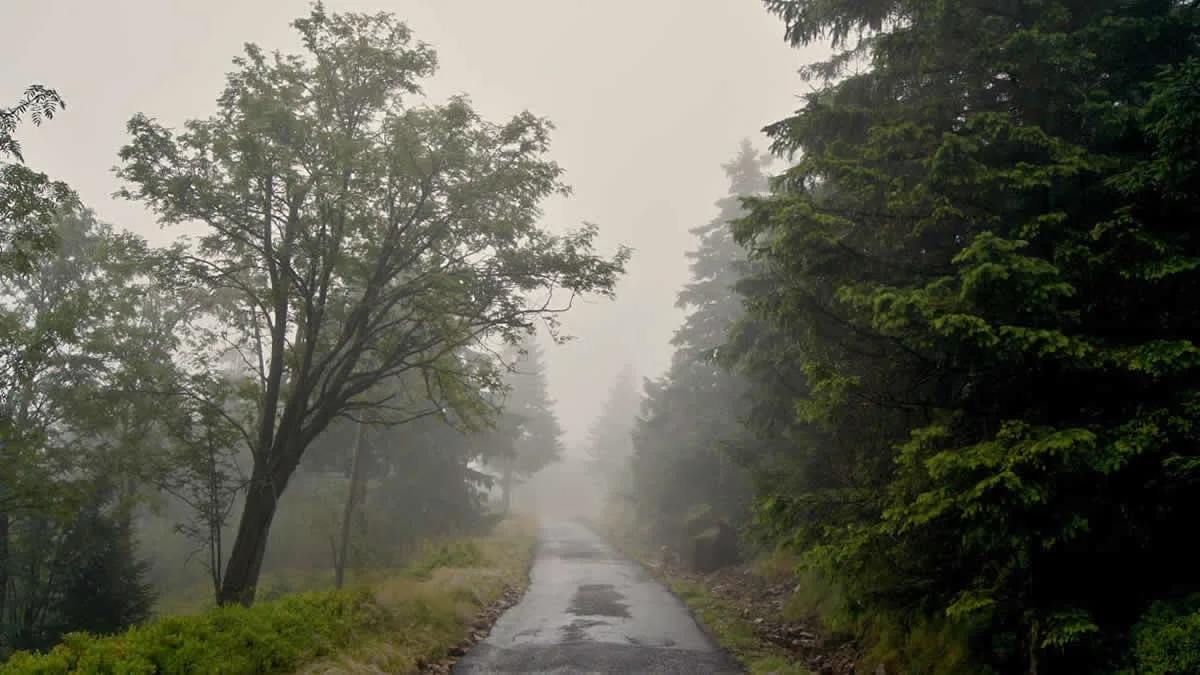
Kerala’s hidden gems exist in the spaces between the famous destinations. In the quiet valleys that tour buses don’t reach, the villages where life continues much as it has for generations, the forests where you might walk for hours seeing only birds and butterflies, and the mountains where sunrise happens in solitude.
These places are rich precisely because they haven’t been overwhelmed by tourism. They’re peaceful because crowds haven’t found them yet. They’re rewarding because they demand something from you: time, effort, respect, and genuine curiosity.
The Kerala most tourists see is beautiful and worth visiting. But this other Kerala, the hidden side, offers something increasingly rare in modern travel: authentic discovery. The feeling that you’ve found something special. The satisfaction of experiences earned rather than purchased. The connection that comes from slowing down and paying attention.
As interest in offbeat Kerala grows, these places will inevitably change. Tourism brings both benefits and challenges to small communities and fragile ecosystems. How visitors behave now will shape whether these destinations remain special or become just another set of overcrowded sites.
Approach Kerala’s hidden gems with care. Travel slowly and responsibly. Support local communities. Protect the environment. And in return, you’ll experience a Kerala that few tourists ever see, a Kerala of depth, authenticity, and quiet beauty that stays with you long after you’ve returned home.